Business insurance coverage limits determine the maximum amount your policy may pay for a covered loss, and choosing the wrong amount can leave a business underprotected even when the policy itself is active. The right limits depend on what your business does, what property it owns, how much liability exposure it creates, and how much financial damage one serious claim could cause. For many business owners in Greenville, NC, the smartest way to choose limits is to stop guessing and start matching the numbers to real-world risk.
Why Coverage Limits Matter More Than People Expect
Many business owners ask whether they have the right policy type, which is an important question. But having the right policy type is only part of the picture. A policy can be correctly named, fully active, and still not provide enough financial protection if the limits are too low.
In our work with clients, a common issue we see is that owners treat
coverage limits like rough placeholders rather than major financial decisions. They may choose a number because it sounds common, because it fits the budget, or because it is what they carried years ago. The problem is that losses do not care whether the limit felt convenient at the time.
That is why coverage limits matter. They define the financial ceiling of what the insurer may pay on covered claims. If the loss is larger than the limit, the remaining amount may not disappear. It may fall back on the business.
What A Coverage Limit Actually Is
A coverage limit is generally the maximum amount a
policy or policy section may pay for a covered loss, subject to the policy’s terms. This applies across several parts of business insurance, including property, liability, business auto, and other commercial lines.
That means a limit may apply to:
- A building
- Business personal property
- General liability claims
- Commercial auto liability
- Equipment or inland marine items
- Business interruption or similar income-related coverages, depending on the structure
A common misunderstanding is that once a claim is covered, the insurer simply pays whatever the real-world amount turns out to be. Usually, the claim is still governed by the available limit. This is why the size of the limit can matter just as much as the existence of the coverage itself.
Why Guessing Usually Leads To Trouble
One of the most common mistakes in
business insurance is choosing limits by instinct instead of by exposure. A business owner may say, “That sounds like enough,” without asking what one serious claim could actually cost.
A common issue we see is that limits stay in place year after year while the business itself changes. Revenue grows, equipment increases, leasehold improvements are added, client expectations rise, and operations become more complex. The policy remains active, but the numbers inside it may no longer reflect the current reality of the business.
That is why a good limit review should be tied to real exposures, not habits or assumptions.
How To Think About Property Limits More Practically
Property limits should generally reflect what it would cost to repair or replace the business property covered under that section of the policy. This may include the building if owned, but also furniture, equipment, inventory, fixtures, tenant improvements, and other business property.
A common misunderstanding is that owners should use what they originally paid for the property or equipment. Sometimes that is part of the picture, but the more important question is usually what it would cost to replace or restore the property after a loss.
A smarter property review often asks:
- What would it cost to replace the building today if I own it?
- What is the current value of my equipment and furnishings?
- Have I added inventory, tools, or computers over time?
- Have construction costs or replacement prices increased?
In our work with clients, a common issue we see is that
business property grows quietly over time. The owner notices the premium each year but not the fact that the value inside the business has expanded far beyond the original policy setup.
Why Liability Limits Deserve Extra Attention
Liability limits are often where the largest claim risk sits. A severe bodily injury claim, major property damage claim, or legal dispute can quickly become much more expensive than a business owner first expects.
This matters because liability exposure may involve:
- Customer injuries
- Damage to another person’s property
- Product-related allegations
- Completed operations issues
- Legal defense costs
- Multi-party lawsuits
A common issue we see is that business owners choose liability limits based mainly on what a landlord or client requires. Contract requirements matter, but they are not the only issue. The better question is whether the limit would still feel strong enough if the claim were serious and the
business had to defend itself fully.
For many businesses, liability limits should be reviewed not just as a contract requirement, but as a core asset-protection issue.
How Business Auto Limits Should Be Reviewed
If the business uses vehicles, auto liability limits should also be reviewed carefully. A serious business auto accident can create bodily injury and property damage claims that move well beyond what some owners assume.
A common misunderstanding is that because the vehicle itself is not especially expensive, the liability exposure must also be modest. That is not how business auto liability works. One accident can involve:
- Injuries to multiple people
- Damage to several vehicles
- Damage to structures or fixed property
- Lawsuits over fault and damages
This is why low auto liability limits can create major exposure even for businesses with only a few vehicles.
How Business Income Exposure Changes The Conversation
Many owners focus only on the physical side of loss and forget that lost income can be just as damaging. If a covered property loss interrupts operations, the business may still have rent, payroll obligations, debt service, or other ongoing expenses while revenue slows or stops.
A common issue we see is that the owner insures the building and contents but does not look closely enough at the income side of the risk. Business interruption or business income protection is often where the financial stability of the operation is tested after a covered event.
This is especially important for
businesses near East Carolina University or around Arlington Boulevard, where customer flow, continuity, and visibility can matter a great deal to ongoing revenue.
When Umbrella Or Excess Coverage May Be Needed
Sometimes the right answer is not only increasing the main policy limit. Sometimes a growing business should consider another layer of liability protection above the primary policies.
This may become relevant when the business:
- Has more assets to protect
- Has higher foot traffic or public exposure
- Uses multiple vehicles
- Signs contracts with larger insurance requirements
- Works in settings where severe claims are more plausible
A common issue we see is that owners treat umbrella or excess coverage as something only very large companies need. In reality, many growing businesses can reach the point where one added layer makes practical sense because the underlying limit no longer feels strong enough on its own.
A Practical Way To Choose Better Limits
The best way to choose
business insurance limits is usually to work from exposure outward rather than from premium backward. That means asking what the financial damage from one major covered event could actually look like.
A practical review often starts with questions like:
- What is the replacement cost of my property today?
- How much revenue would I lose if operations stopped?
- What kind of liability claim could seriously threaten the business?
- Have my operations grown beyond the current limits?
- Would the current limit still feel strong enough after a severe loss?
In our work with clients, one of the most useful shifts happens when owners stop asking only, “What is the cheapest limit I can carry?” and start asking, “What limit would still protect this business if something significant happened?”
Why This Should Be Reviewed Regularly
Coverage limits should not be treated as permanent. They should usually be reviewed when the business changes in meaningful ways, including:
- Higher revenue
- New employees
- New vehicles
- Added equipment
- Leasehold improvements
- Larger contracts
- Expanded service offerings
A common issue we see is that the business evolves, but the coverage limits remain tied to an older version of the operation. That gap often stays hidden until a claim reveals it.
For many business owners in Greenville, NC, the best time to review limits is before growth, inflation, or exposure changes create a serious mismatch between the policy and the real business.
Conclusion
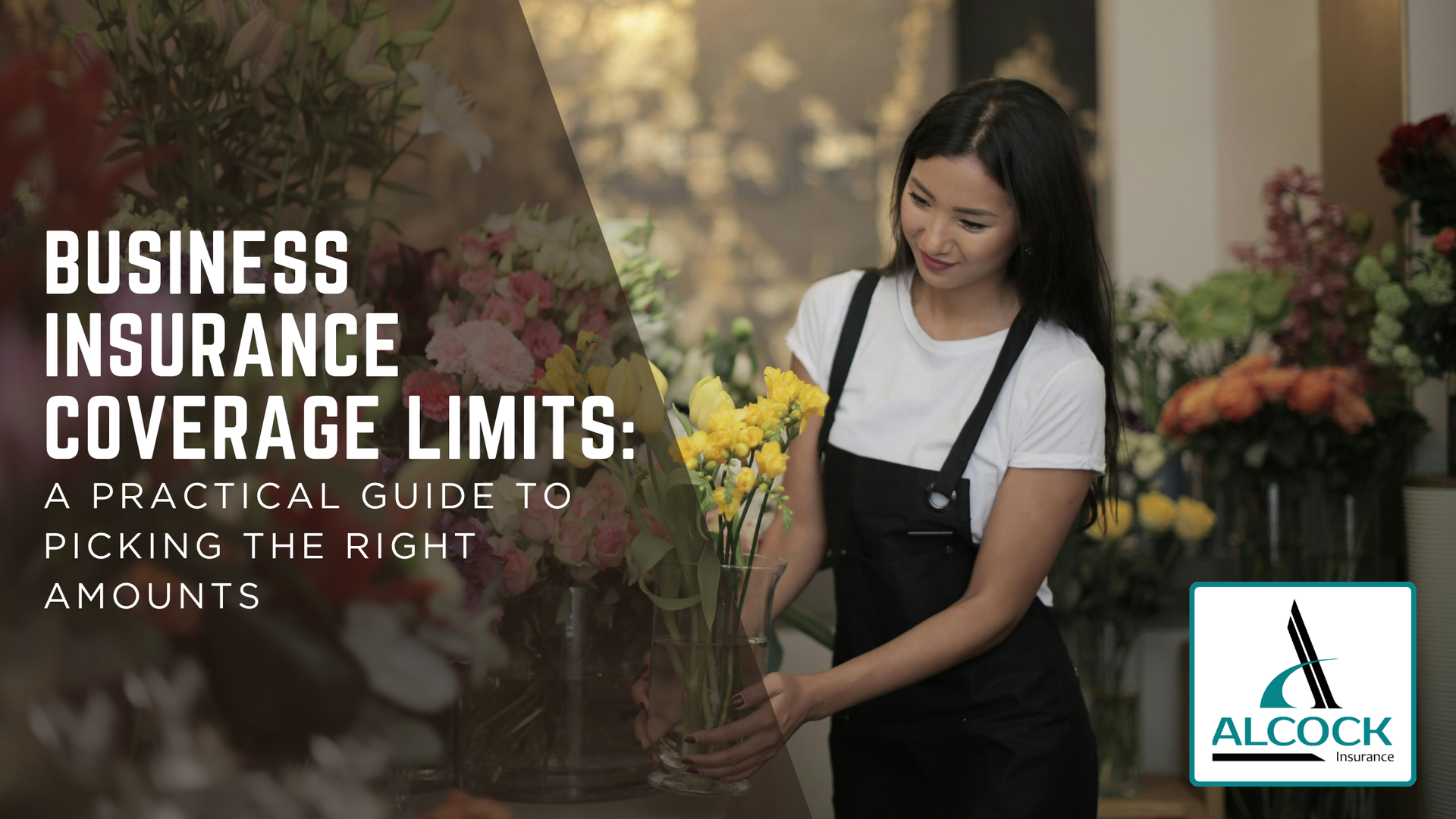
Business insurance coverage limits matter because they define how much financial protection your policy can actually provide when a covered loss occurs. The right amounts depend on your property values, liability exposure, vehicle use, income risk, and the size of the loss your business could realistically face. Picking the right limits is not about choosing a number that sounds common. It is about choosing a number that reflects the real-world cost of recovery and protection. For business owners reviewing their policies in Greenville, NC, the smartest approach is to set limits based on actual exposure rather than assumptions that may no longer fit the business.
At Alcock Insurance, we are committed to offering our clients a wide range of comprehensive and affordable insurance policies. We go above and beyond to ensure that we meet your unique needs with tailored solutions. To find out more about how we can assist you, please reach out to our agency at (252) 353-1700 or CLICK HERE to request a free, no-obligation quote.
Disclaimer: The content provided in this blog is for informational purposes only and should not be considered professional advice. For personalized guidance, it is important to consult with a qualified insurance agent or professional. They can offer expert advice tailored to your individual situation and help you make well-informed decisions about your insurance coverage.
Alcock Insurance
Greenville, NC
(252) 353-1700
https://www.alcockinsurance.com/