The National Flood Insurance
Program (NFIP) is a federally backed flood insurance program that helps homeowners, renters, and businesses buy coverage for flood damage that standard property insurance typically won’t cover. It works through participating insurance companies, uses FEMA flood maps for rating in many cases, and offers building and contents coverage options in Greenville, NC.
What Is The National Flood Insurance Program (NFIP) And How Does It Work?
Why Flood Insurance Is Different From Home Insurance
A common misconception is that homeowners insurance covers flood damage. In most cases, it doesn’t—especially when flooding is defined as rising water affecting multiple properties or entering from outside. That gap is exactly why the NFIP exists: to make flood insurance available and more standardized, especially in areas where private flood insurance may be limited or priced differently.
In our work with clients, a common issue we see is people shopping for flood insurance right before a storm.
Flood policies often have waiting periods, and last-minute planning can leave you uninsured when you need coverage most.
What The NFIP Is (In Plain Language)
A Federal Flood Insurance Program Administered By FEMA
The NFIP is a federal program administered by FEMA that makes
flood insurance available through participating insurance companies. Even though you may buy an NFIP policy from an insurance carrier, the coverage terms are standardized and backed by the program.
Who The NFIP Serves
NFIP coverage is designed for:
- Homeowners (primary homes, second homes)
- Renters (contents coverage)
- Condominium unit owners and associations (different policy forms)
- Businesses (commercial building/contents coverage)
NFIP policies are not “one size fits all,” but they follow defined structures and limits depending on the policy type.
How The NFIP Works Step By Step
Step 1: Your Flood Risk Is Evaluated
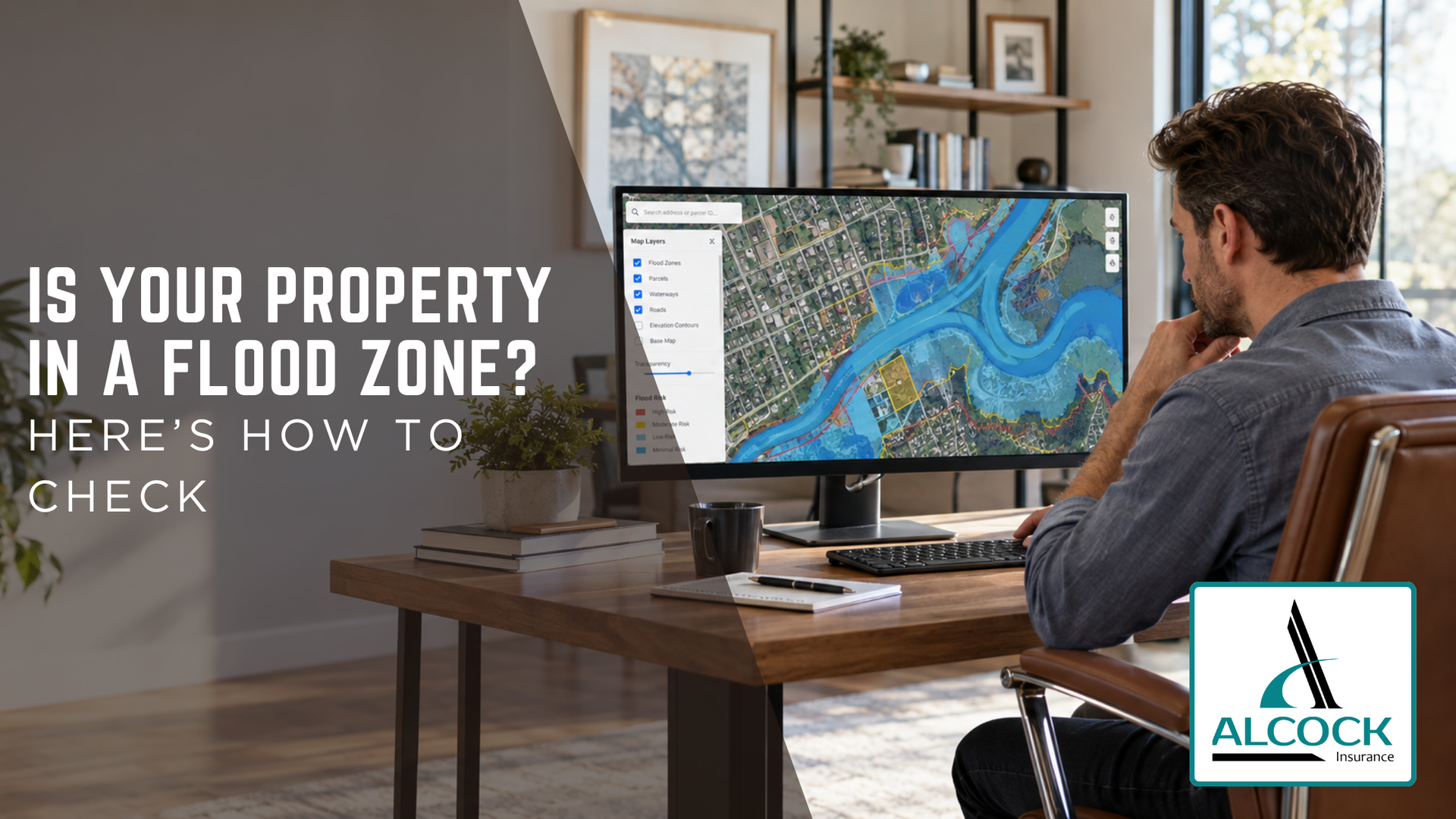
Flood risk is often evaluated using FEMA flood maps and other rating inputs. Your zone, elevation details (when needed), and property characteristics can affect pricing. Even outside high-risk zones, flooding can still occur—so “not in a flood zone” doesn’t mean “no flood risk.”
Step 2: You Choose Building Coverage, Contents Coverage, Or Both
NFIP policies typically separate:
- Building coverage (structure and certain built-in components)
- Contents coverage (personal belongings, if purchased)
Renters typically buy contents-only coverage. Homeowners often choose building and, optionally, contents.
Step 3: The Policy Is Purchased Through A Participating Insurer
You usually buy the policy through an insurance company or agent that participates in the NFIP. The contract terms are standardized, so the differences are often around service and guidance—not custom coverage language.
Step 4: A Waiting Period Often Applies
Many NFIP policies include a waiting period before coverage starts (certain lender-related situations may differ). This is why planning ahead is so important.
What NFIP Flood Insurance Typically Covers
Building Coverage (Common Examples)
Building coverage can help repair or rebuild physical components, such as:
- Foundation elements (as covered by policy terms)
- Electrical and plumbing systems
- Furnaces and water heaters
- Refrigerators, stoves, and built-in appliances (policy-defined)
- Permanently installed carpeting over unfinished floors (policy-defined)
- Certain cabinets and fixtures (policy-defined)
Coverage is tied to NFIP definitions, and
flood insurance has stricter rules than many homeowners policies about what qualifies as covered building property.
Contents Coverage (Common Examples)
Contents coverage can help replace personal items such as:
- Clothing, furniture, and electronics
- Portable appliances (microwave, window AC units)
- Curtains and personal decor items
As with most insurance, certain categories may have limits or documentation expectations during a claim. Keeping a basic home inventory is a practical habit.
What NFIP Usually Does Not Cover (Important Limits)
Coverage Is Specific—And Some Items Surprise People
NFIP policies have important limitations. Examples of common exclusions or limitations include:
- Damage caused by moisture, mildew, or mold that could have been avoided by the homeowner
- Currency, precious metals, and certain valuables (limited or excluded)
- Temporary living expenses (many flood policies do not cover “loss of use” the way homeowners insurance often does)
- Certain property in basements or below-grade areas (coverage is limited and definition-driven)
In our work with clients, we often stress: flood insurance is essential, but it’s not identical to homeowners insurance. Knowing these limits helps set realistic expectations and improves claim outcomes.
When The NFIP Is Required Vs Optional
Lender Requirements In High-Risk Areas
If you have a federally backed mortgage and your property is in a high-risk flood area, your lender may require flood insurance. Requirements can also apply if you refinance, purchase, or restructure a loan.
Optional Doesn’t Mean Unnecessary
Even when
flood insurance isn’t required, it can still be a smart protection choice. Many flood losses occur outside high-risk zones, and the out-of-pocket cost to repair flood damage can be substantial—flooring, drywall, electrical systems, and cabinetry can add up fast.
Near the Tar River corridor and ECU-area neighborhoods, heavy rainfall and drainage overflow concerns can create real flood exposure even when people don’t view their area as “high risk.” The goal is to evaluate the property’s water pathways, not just the label on a map.
NFIP Vs Private Flood Insurance: How To Think About The Difference
NFIP Strengths
- Standardized terms and definitions
- Widely available in many areas
- Familiar structure for lenders and real estate transactions
Private Flood Options (When Available)
Private flood insurance can sometimes offer:
- Different coverage limits or deductible structures
- Potentially broader coverage in certain cases
- Different pricing models
However, availability and terms vary. The best approach is comparing options with a clear understanding of what you want protected and how each policy handles claims.
Practical Tips Before You Buy Flood Insurance
Confirm What You’re Insuring
- Building only, contents only, or both
- Primary home vs rental property vs condo unit
- Any special property features (ground-level enclosures, additions, older construction details)
Document Your Belongings
A quick inventory helps support smoother claims:
- Photos or video walkthroughs
- Receipts for higher-value items
- Serial numbers for electronics
Plan Ahead For Waiting Periods
Don’t wait until a named storm appears. Getting coverage in place early is one of the most important “flood-proofing” steps you can take.
In Greenville, NC, we often see families assume flood insurance is only a coastal concern. In reality, inland flooding from heavy rainfall and drainage systems can be just as disruptive—and the best time to prepare is before forecasts turn urgent.
Conclusion
The NFIP is a federally backed
flood insurance program that helps property owners and renters get coverage for flood losses that standard property policies usually exclude. It works through participating insurers, offers separate building and contents coverage options, and follows standardized policy terms with important limitations—so understanding what’s covered (and what isn’t) is essential. If you want help evaluating flood exposure and choosing the right flood insurance approach in Greenville, NC, the team at Alcock Insurance can help you compare options and avoid common coverage gaps.
At Alcock Insurance, we are committed to offering our clients a wide range of comprehensive and affordable insurance policies. We go above and beyond to ensure that we meet your unique needs with tailored solutions. To find out more about how we can assist you, please reach out to our agency at (252) 353-1700 or CLICK HERE to request a free, no-obligation quote.
Disclaimer: The content provided in this blog is for informational purposes only and should not be considered professional advice. For personalized guidance, it is important to consult with a qualified insurance agent or professional. They can offer expert advice tailored to your individual situation and help you make well-informed decisions about your insurance coverage.
Alcock Insurance
Greenville, NC
(252) 353-1700
https://www.alcockinsurance.com/