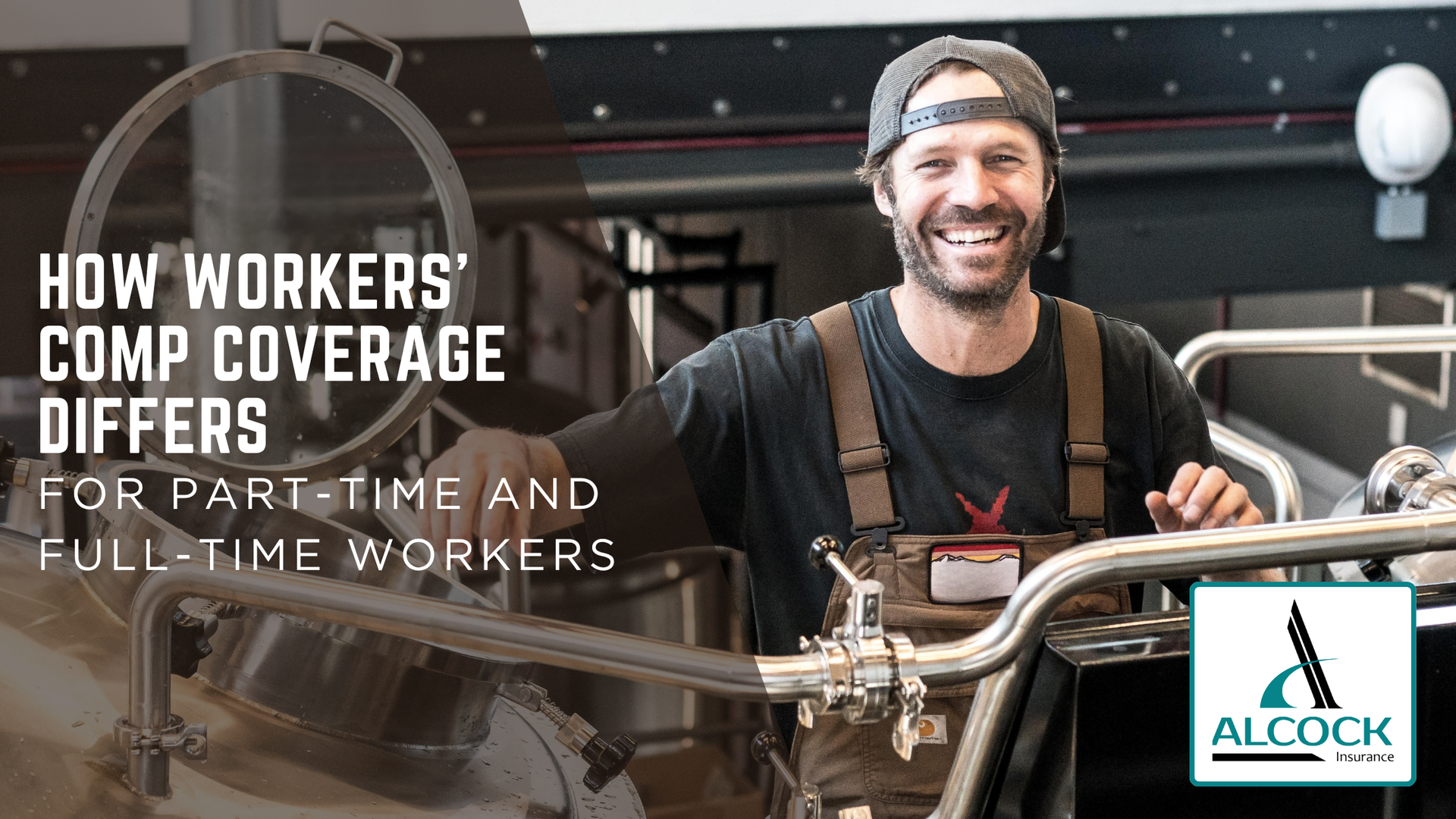
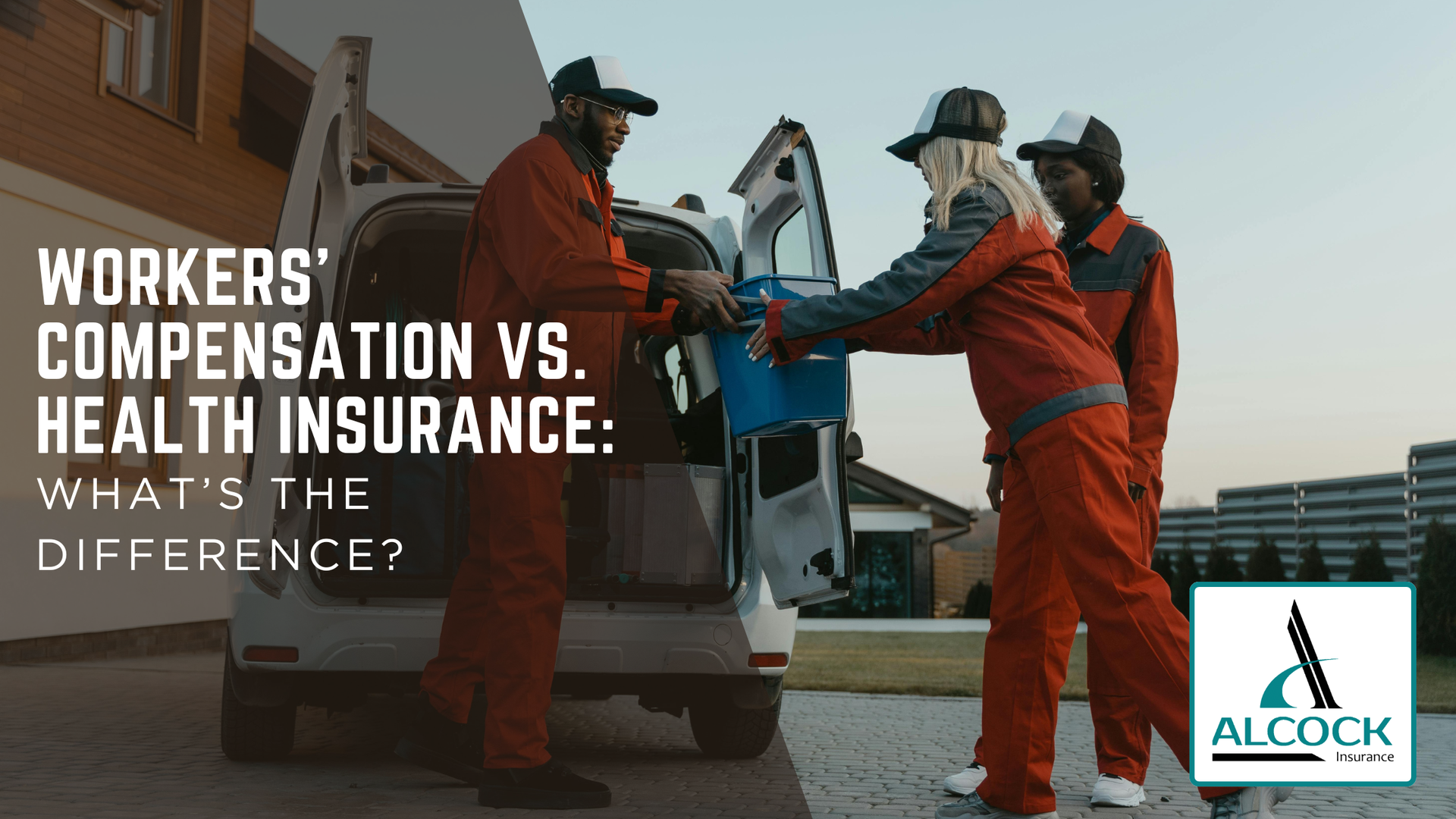
Workers’ compensation matters because it provides medical care and wage replacement for employees hurt on the job while protecting employers from costly lawsuits and unpredictable out-of-pocket losses. In Greenville, NC, the right workers’ comp approach can reduce claim friction, improve return-to-work outcomes, and strengthen overall risk management.
Why Workers’ Comp Is A Two-Way Protection System
Workers’ compensation is often described as a “mandatory coverage,” but that undersells what it actually does. Properly structured, it’s a built-in safety net for employees and a financial shield for employers. When a workplace injury occurs, workers’ comp helps ensure the employee gets prompt medical treatment and income support. In exchange, the employer typically receives protections that limit an employee’s ability to sue for the injury (depending on the situation and state rules).
In our work with businesses, a common issue we see is employers focusing only on cost—premiums and classifications—while overlooking how claims management and workplace practices directly affect the total cost of risk. The most effective workers’ comp programs treat coverage, safety, and claims response as one connected system.
How Workers’ Comp Helps Employees After A Work Injury
For workers, the value of
workers’ comp is immediate and practical. An injury can create sudden expenses, missed paychecks, and uncertainty about returning to work. Workers’ comp is designed to reduce that disruption.
Typical benefits may include:
- Medical treatment related to the injury (doctor visits, prescriptions, surgery, physical therapy)
- Wage replacement for time missed from work (subject to state formulas and limits)
- Disability benefits if the injury affects long-term ability to work
- Rehabilitation services in cases requiring recovery support
- Death benefits for eligible dependents in fatal incident
One of the biggest advantages for employees is access to care without needing to prove someone was “at fault” the way they would in a traditional lawsuit. This no-fault structure is intended to speed up treatment and reduce disputes, though paperwork and reporting still matter a lot.
Why Employers Benefit More Than They Realize
From the employer side, workers’ comp is not just about compliance—it’s about controlling business risk. Without
workers’ comp, a single serious injury can become a financial event that threatens cash flow, staffing, and even business survival.
Employers commonly gain:
- Reduced legal exposure from employee injury lawsuits (with exceptions)
- Predictable framework for handling injuries and benefits
- Coverage for medical and wage benefits that would otherwise be paid out-of-pocket
- Access to carrier and adjuster expertise for claims handling
- A structured system that supports return-to-work, reducing productivity loss
A common misconception is that workers’ comp only “matters” for physically demanding jobs. But slips, trips, strains, repetitive motion injuries, and vehicle-related incidents can affect offices, retail, healthcare, and service businesses as well.
Compliance Requirements: What Employers Must Get Right
Workers’ comp rules vary by state, industry, and workforce size. Many employers know they “need coverage,” but they don’t always know what compliance actually requires operationally.
Key compliance actions often include:
- Maintaining required coverage based on employee count and business type
- Posting required workplace notices (where applicable)
- Properly classifying employees and job roles
- Reporting injuries promptly and documenting incident details
- Following return-to-work and light-duty guidelines when recommended
- Keeping payroll records accurate for audits and renewals
Where problems arise: employee misclassification, using incorrect payroll estimates, or relying on “1099” labels without understanding how workers’ comp rules treat subcontracted labor. Misclassification can lead to premium surprises, penalties, or uncovered claims—especially in industries where subcontractors rotate frequently.
Why Claims Handling Impacts Your Premiums
Premium is only part of the cost. Claims outcomes—how quickly an injury is reported, how treatment is coordinated, and how return-to-work is managed—often drive long-term expense.
Employers who tend to perform better over time usually have:
- A clear injury reporting process (who calls, what forms, what timeline)
- A designated point person for claim coordination
- Relationships with occupational clinics or preferred providers (where allowed)
- A documented return-to-work plan for light duty
- Ongoing safety training tied to real incident trends
If you’ve ever wondered why two similar businesses can have very different
workers’ comp costs, claims frequency and claim duration are major reasons. Even small changes—like reporting injuries same-day instead of three days later—can affect medical outcomes and dispute likelihood.
Return-To-Work: The Most Overlooked Cost Control Tool
Return-to-work programs are often framed as “helping the business,” but they help employees too. The longer an employee is out of work, the harder it can be—physically and emotionally—to re-enter the workplace routine. A thoughtful return-to-work plan can speed recovery and preserve income stability.
Effective return-to-work programs typically include:
- Pre-written light-duty job descriptions (administrative tasks, inspections, training support)
- A defined approval chain for modified duty
- Clear communication with the employee about expectations and duration
- Coordination with the treating provider’s restrictions
In many claims, the biggest cost isn’t the first doctor visit—it’s weeks or months of disability time. A return-to-work plan can significantly reduce that risk.
Industry-Specific Risks That Often Trigger Claims
Workers’ comp exposure depends heavily on what your employees do day to day. Some patterns show up repeatedly across industries:
- Construction and contracting
Falls, tool injuries, lifting strains, ladder incidents
- Manufacturing and warehousing
Repetitive motion injuries, forklift incidents, crush injuries, slips on wet floors
- Healthcare and caregiving
Lifting injuries, needlesticks, patient-related incidents
- Retail and hospitality
Slips and falls, burns, overexertion, back strains
- Office-based businesses
Ergonomic injuries, repetitive strain, slips in common areas, driving for work errands
For local employers near Uptown Greenville or along the Tar River corridor, we often see a mix of service businesses, healthcare-adjacent operations, and trades—each with different claim patterns. Knowing your most likely claim types helps you put effort where it actually reduces losses.
Common Mistakes That Increase Employer Risk
Even well-intentioned employers can accidentally raise risk and costs. Here are issues we see frequently:
- Waiting too long to report injuries (which increases disputes and treatment delays)
- No written incident process—so reporting varies by manager
- Inaccurate payroll estimates that cause audit surprises
- Treating every injury as “minor” until it becomes a lost-time claim
- No modified duty options, forcing longer disability periods
- Misclassifying employees or subcontractors
When these problems repeat, employers may also experience higher experience modification factors (where applicable), which can increase premiums over time.
Conclusion
Workers’ comp matters because it protects employees when injuries happen and shields employers from financial and legal exposure that can escalate quickly. The strongest workers’ comp programs combine compliant coverage with good reporting habits, practical safety efforts, and a return-to-work mindset that reduces claim duration. In Greenville, NC, employers who treat workers’ comp as a system—not just a policy—tend to see more stable costs and better outcomes for their teams.
At Alcock Insurance, we are committed to offering our clients a wide range of comprehensive and affordable insurance policies. We go above and beyond to ensure that we meet your unique needs with tailored solutions. To find out more about how we can assist you, please reach out to our agency at (252) 353-1700 or CLICK HERE to request a free, no-obligation quote.
Disclaimer: The content provided in this blog is for informational purposes only and should not be considered professional advice. For personalized guidance, it is important to consult with a qualified insurance agent or professional. They can offer expert advice tailored to your individual situation and help you make well-informed decisions about your insurance coverage.
Alcock Insurance
Greenville, NC
(252) 353-1700
https://www.alcockinsurance.com/