Home insurance typically covers sudden, accidental damage to your home and belongings (like fire, theft, wind, and certain water losses), plus liability if someone is injured on your property. It usually does not cover flood, earthquake, wear and tear, or maintenance issues—so knowing what’s true (and what’s not) helps you avoid expensive coverage gaps in Greenville, NC.
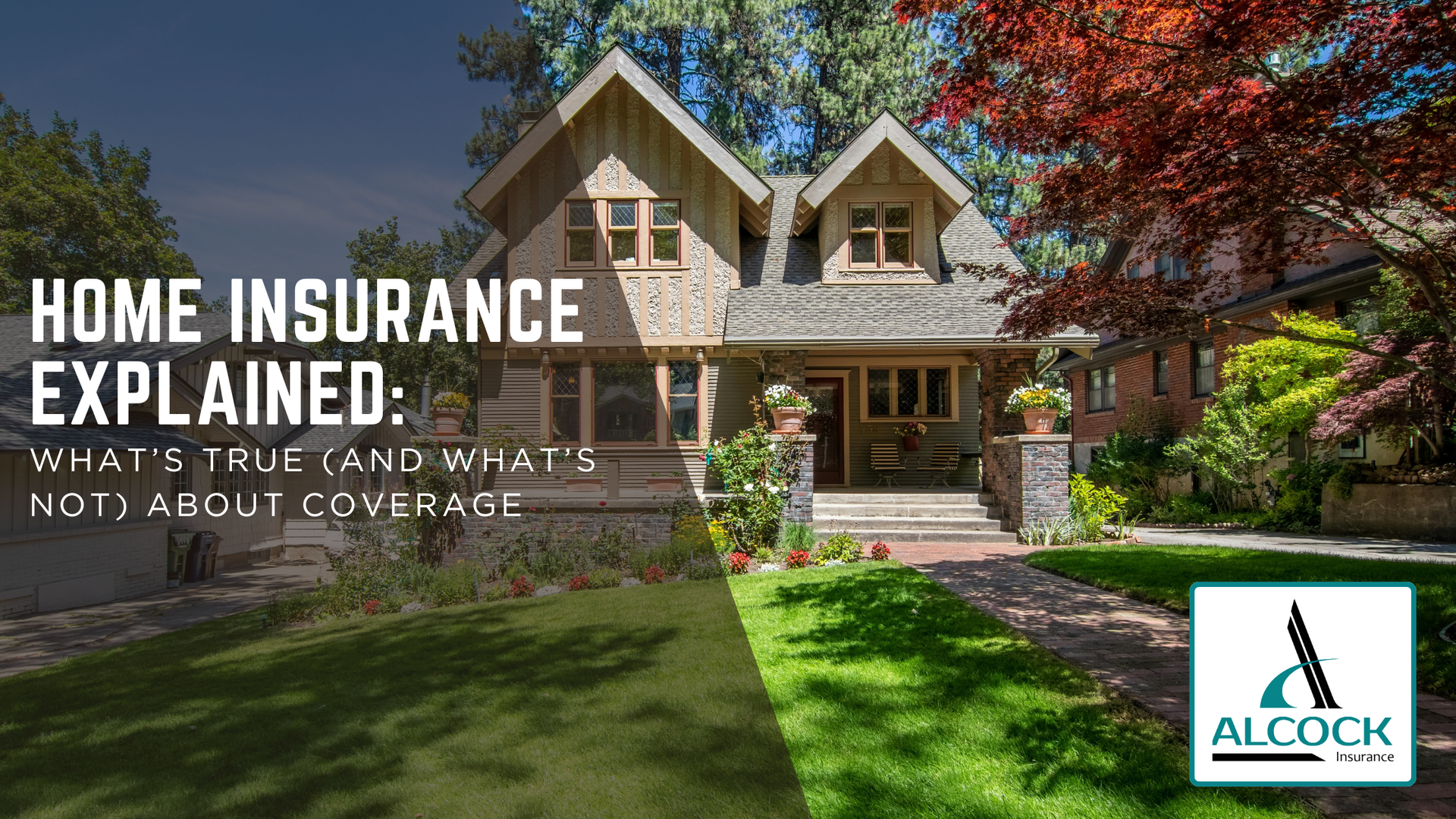
Home Insurance Explained: What’s True (And What’s Not) About Coverage
Why Home Insurance Misunderstandings Are So Common
Homeowners policies are written in detailed contract language, but most people experience them through headlines, neighbor stories, or quick assumptions—like “insurance covers anything that happens.” In our work with clients, a common issue we see is a homeowner discovering after a loss that the policy wasn’t “bad”—it simply never covered that type of damage in the first place.
The goal of home insurance is to protect you from unexpected, sudden losses and liability claims. It’s not a home maintenance plan, and it doesn’t cover every category of disaster automatically.
What’s Usually True About Home Insurance Coverage
Truth #1: It Often Covers The Home For Sudden, Accidental Damage
Most homeowners policies cover the structure (dwelling) for many common risks, such as:
- Fire and smoke damage
- Wind damage (policy and deductible rules apply)
- Hail damage (where applicable)
- Theft and vandalism
- Falling objects
- Some types of water damage (more on this below)
Coverage depends on the policy form (named-peril vs open-peril) and endorsements, but the common theme is sudden and accidental.
Truth #2: It Often Covers Your Belongings—Up To A Limit
Personal property coverage can help replace items like furniture, clothing, electronics, and household goods after a covered event such as fire or theft. Many policies include:
- Limits by category (jewelry, cash, collectibles, firearms, electronics)
- Deductibles that apply to property claims
- Optional endorsements for higher-value item
A common issue we see is people assuming their policy covers expensive jewelry or collectibles in full. Often, those items require scheduling or additional coverage.
Truth #3: Liability Coverage Can Be One Of The Most Valuable Parts
Home insurance typically includes personal liability coverage, which can help if:
- A guest is injured on your property
- You accidentally damage someone else’s property
- A situation becomes a lawsuit and requires legal defense
Liability claims can be financially severe, and many homeowners overlook this protection until they need it.
Truth #4: Loss Of Use Can Help If You Can’t Live At Home After A Covered Loss
If a covered event makes your home temporarily unlivable, loss of use (additional living expenses) can help pay for:
- Temporary housing
- Extra food costs above normal spending
- Other necessary living expenses (subject to policy terms and limits)
Near Uptown Greenville, we often see families underestimate how expensive temporary housing can be after a fire or severe water loss. Loss of use coverage is meant to soften that disruption.
What’s Often Not True (Or Only Sometimes True)
Myth #1: “Home Insurance Covers Flood Damage”
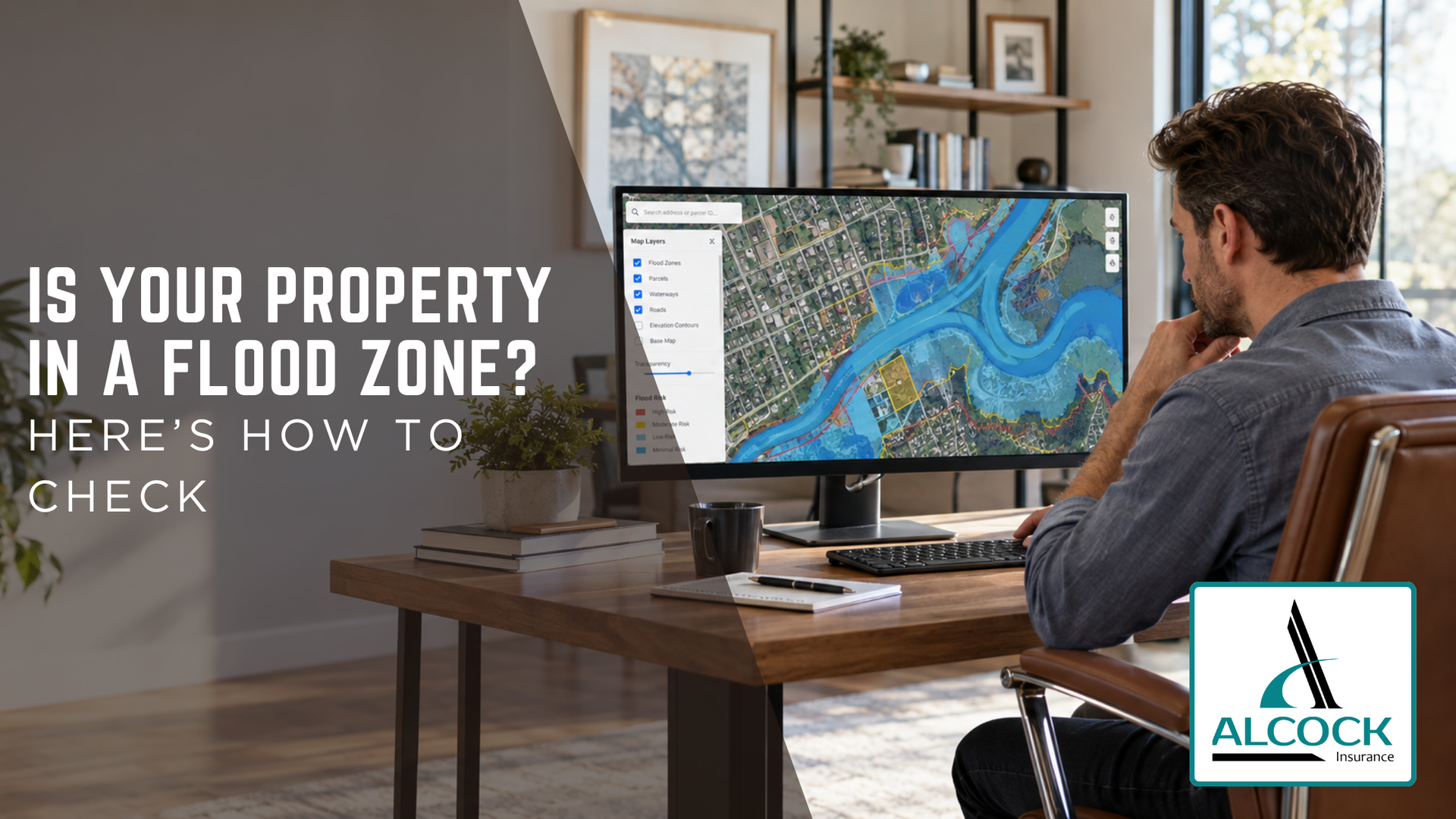
Most standard homeowners policies do not cover flood damage from rising water. Flood usually requires separate coverage. This is one of the most common—and costly—misunderstandings homeowners face.
Even if you’re not in a high-risk flood zone, flooding can still occur due to heavy rainfall and drainage overflow. If you want flood protection, it’s important to review flood insurance options separately.
Myth #2: “It Covers Wear And Tear”
Home insurance generally does not cover deterioration, rot, mold from long-term moisture issues, aging roofs, or maintenance-related problems. Insurance is designed for sudden losses, not gradual damage.
A common issue we see is a homeowner filing a claim for a roof that has simply reached the end of its life. If there’s no covered storm event, it’s typically not an insurance claim.
Myth #3: “Any Water Damage Is Covered”
Some water losses may be covered (like a sudden burst pipe), but others may not be—especially if the damage is gradual, due to seepage, or related to excluded events.
Examples that often cause confusion:
- Covered in many cases: sudden pipe burst causing interior damage
- Often excluded or limited: long-term leaks, groundwater seepage, water backing up through sewers without the right endorsement, flood-related water intrusion
It’s important to know how your policy defines the cause of loss and whether you have endorsements like water backup coverage.
Myth #4: “Replacement Cost Is Automatic For Everything”
Some policies provide replacement cost on the dwelling, but personal property may default to actual cash value unless upgraded. Actual cash value accounts for depreciation, which can reduce claim payments.
In our work with clients, we often recommend verifying whether personal property is replacement cost or actual cash value—because the difference is significant after a major loss.
Myth #5: “If It Happened On My Property, I’m Covered”
Liability coverage has limits and exclusions. Certain high-risk activities, business use, or specific animal-related incidents can be excluded or limited depending on the policy. If you work from home with clients visiting, rent out part of the home, or have specific exposures, the policy may need adjustments.
How To Read Your Coverage The Practical Way
Start With These Four Categories
A strong homeowners policy review focuses on:
- Dwelling coverage (structure)
- Personal property coverage (belongings)
- Liability coverage
- Loss of use
Then look at the “gotchas”: deductibles, endorsements, and exclusions.
Know Your Deductibles (Including Separate Wind/Hurricane Deductibles)
Some
policies have separate deductibles for wind or named storms, which can be much higher than the standard deductible. Knowing this ahead of time prevents surprise when you file a claim.
Check Your Key Endorsements
Depending on your situation, endorsements may be important for:
- Water backup and sump overflow
- Scheduled personal property (jewelry, fine art)
- Equipment breakdown
- Ordinance or law coverage (building code upgrade costs)
- Identity theft coverage (limited, if included)
In Greenville, NC, we often see older homes where ordinance or law coverage can matter—because rebuilding to current codes can cost more than homeowners expect after a major loss.
Common Pitfalls Homeowners Should Avoid
Underinsuring The Dwelling
Insurance should reflect the cost to rebuild, not the market value of the home. Land value and location demand don’t rebuild your house after a fire—materials and labor do.
Not Documenting Valuables Before A Loss
Photos, serial numbers, and basic inventory lists make claims easier and more accurate. Many people try to recreate everything after a loss, which is stressful and often incomplete.
Assuming The Cheapest Policy Is The Best Value
Price matters, but coverage structure matters more. A lower premium can come with higher deductibles, fewer endorsements, or actual cash value settlements that create big gaps.
Forgetting To Update Coverage After Renovations
Kitchen upgrades, additions, and major improvements can increase rebuild costs and personal property value. Policies should be reviewed after renovations so limits remain appropriate.
Near ECU’s campus area, we often see growing families upgrading homes over time. After renovations, it’s smart to confirm the dwelling limit and endorsements still match the updated property.
Conclusion
Home insurance is designed to cover sudden, accidental losses to your home and belongings and to protect you from liability claims—but it typically won’t cover flood, routine wear and tear, or maintenance problems. The best way to avoid surprises is to review your dwelling limit, personal property settlement type, deductibles, and key endorsements so the policy matches how you actually live. If you want help clarifying what your policy covers and where gaps may exist in Greenville, NC, the team at Alcock Insurance can help you review options and make confident coverage decisions.
At Alcock Insurance, we are committed to offering our clients a wide range of comprehensive and affordable insurance policies. We go above and beyond to ensure that we meet your unique needs with tailored solutions. To find out more about how we can assist you, please reach out to our agency at (252) 353-1700 or CLICK HERE to request a free, no-obligation quote.
Disclaimer: The content provided in this blog is for informational purposes only and should not be considered professional advice. For personalized guidance, it is important to consult with a qualified insurance agent or professional. They can offer expert advice tailored to your individual situation and help you make well-informed decisions about your insurance coverage.
Alcock Insurance
Greenville, NC
(252) 353-1700
https://www.alcockinsurance.com/