Flood zone labels can look simple on paper, but they often raise practical questions for homeowners, buyers, and property owners in Greenville, NC. A flood zone can affect insurance requirements, loan conditions, coverage decisions, and how much attention you should give to water-related risks before a storm ever arrives.
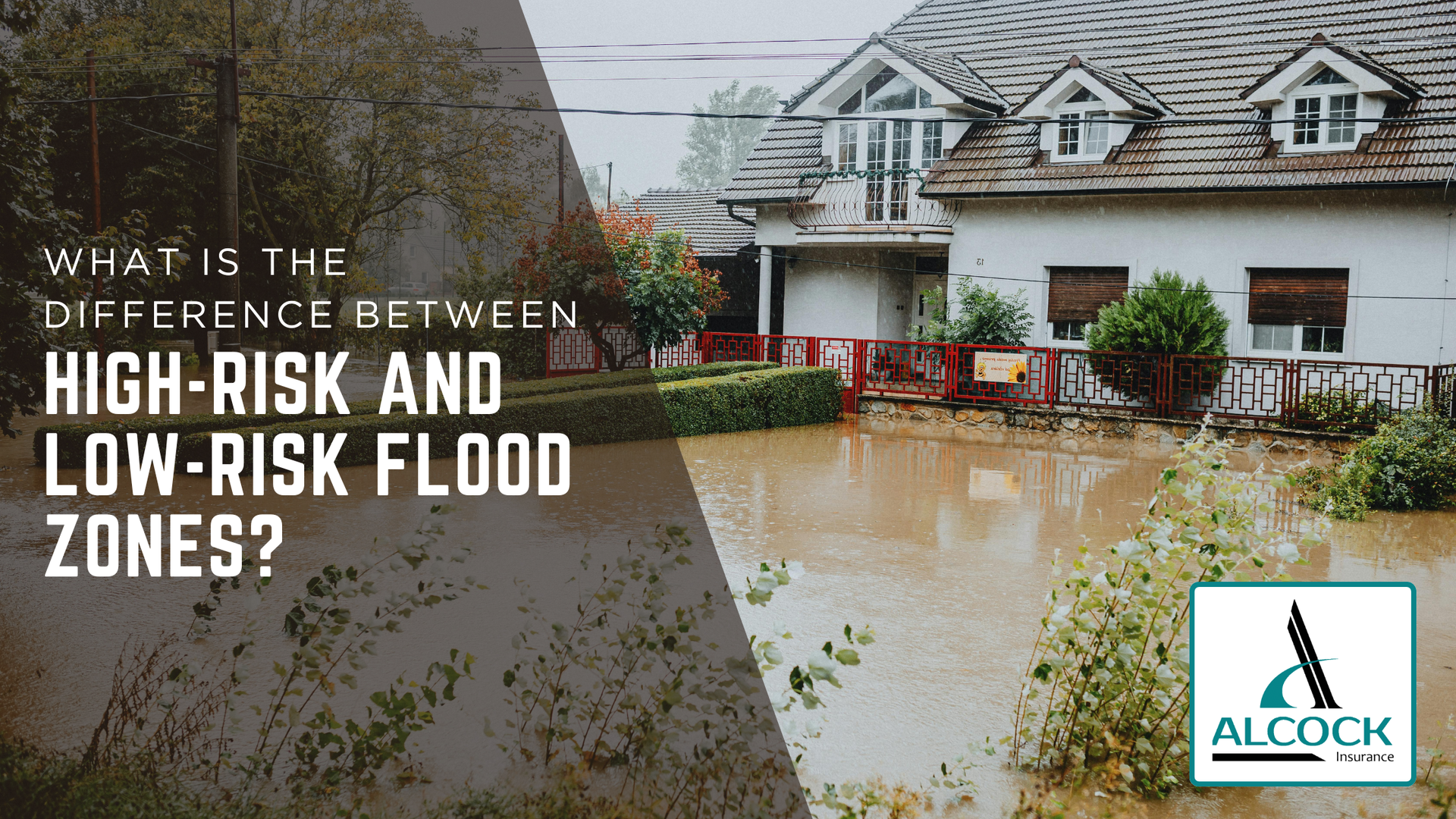
What Is The Difference Between High-Risk And Low-Risk Flood Zones?
The Short Answer
The main difference between high-risk and low-risk flood zones is the likelihood of flooding based on mapped flood data. High-risk flood zones are areas with a greater chance of flooding, often called Special Flood Hazard Areas. Low-risk flood zones have a lower mapped chance of flooding, but they are not flood-free.
This distinction matters because flood zone status can affect whether
flood insurance is required by a mortgage lender, how a property is rated, and how owners think about protecting the home, belongings, and finances. A common issue we see is that people assume “low-risk” means “no risk.” That can lead to surprises when heavy rain, drainage problems, or overflowing water affects a property outside a high-risk flood zone.
What Is A High-Risk Flood Zone?
A high-risk flood zone is an area where flood maps show a greater probability of flooding. These areas are often marked with zone designations such as A or V on flood maps. Properties in these zones may be more likely to experience flooding from rising water, coastal surge, river overflow, or other mapped flood sources.
If a home is in a high-risk flood zone and has a federally backed mortgage, the lender will typically require
flood insurance. Even when a property is paid off or the lender does not require coverage, flood insurance may still be worth reviewing because standard homeowners insurance usually does not cover flood damage.
High-risk flood zones may affect:
- Mortgage requirements
- Flood insurance purchase decisions
- Coverage pricing and rating factors
- Property resale conversations
- Long-term home protection planning
For example, a property near lower-lying areas close to the Tar River may call for closer review than a property located farther from mapped flood exposure. That does not mean every nearby property has the same risk, but it does mean the specific address and flood map designation matter.
What Is A Low-Risk Flood Zone?
A low-risk flood zone is an area where mapped flood probability is lower compared with high-risk areas. These zones may be labeled as moderate-risk or minimal-risk areas, often using designations such as B, C, or X depending on the map and location.
The important point is that low-risk does not mean flooding cannot happen. Many flood claims occur outside the highest-risk mapped zones. Heavy rainfall, clogged storm drains, poor grading, development changes, and overwhelmed drainage systems can all create water problems even in areas not labeled high-risk.
For property owners near established neighborhoods around the East Carolina University area or the Uptown District, flood exposure may vary from one street to the next. Elevation, drainage, nearby creeks, and local infrastructure can all influence how water behaves during major rain events.
Why Flood Zone Labels Matter For Insurance
Flood zone labels can influence whether
flood insurance is mandatory or optional. In a high-risk zone, a lender may require flood insurance as a condition of the mortgage. In a low-risk zone, coverage may not be required, but it can still provide important protection.
This is where some property owners get caught off guard. They may believe that because a lender does not require flood insurance, the home is automatically protected. In reality, homeowners insurance and flood insurance are different policies. A standard home policy may cover certain types of sudden water damage inside the home, such as a burst pipe, but flooding from rising outside water is typically handled under a separate flood insurance policy.
In our work with clients, one of the most useful conversations is not simply whether flood insurance is required, but whether the property owner understands what their current policy does and does not cover.
High-Risk Does Not Mean A Claim Is Guaranteed
Being in a high-risk flood zone does not mean a property will flood every year. Flood maps measure probability, not certainty. A home may sit in a high-risk area for many years without flood damage, while another property in a lower-risk area may experience water intrusion during one severe storm.
That is why
flood insurance should be reviewed as part of a broader risk discussion. The question is not only, “What zone am I in?” It is also, “What would happen financially if floodwater entered my home?”
Property owners should consider:
- The cost to repair flooring, drywall, and electrical systems
- The cost to replace damaged furniture and appliances
- Whether temporary housing might be needed
- How much savings would be available after a major water loss
- Whether the current policy excludes flood damage
Low-Risk Does Not Mean No Insurance Is Needed
Low-risk zones can create a false sense of security. If
flood insurance is not required, some homeowners assume it is unnecessary. However, optional coverage can still be valuable, especially if the home has a basement, crawlspace, low elevation, nearby drainage issues, or a history of water collecting around the property.
Flood risk can also change over time. New construction, land development, changing drainage patterns, and updated flood maps can shift how water moves through a neighborhood. A property that seemed less exposed years ago may deserve a fresh coverage review today.
For homeowners in Greenville, NC, it can be especially helpful to review flood exposure before hurricane season or before buying a new home. The best time to understand flood coverage is before water is approaching the property, not after damage has already occurred.
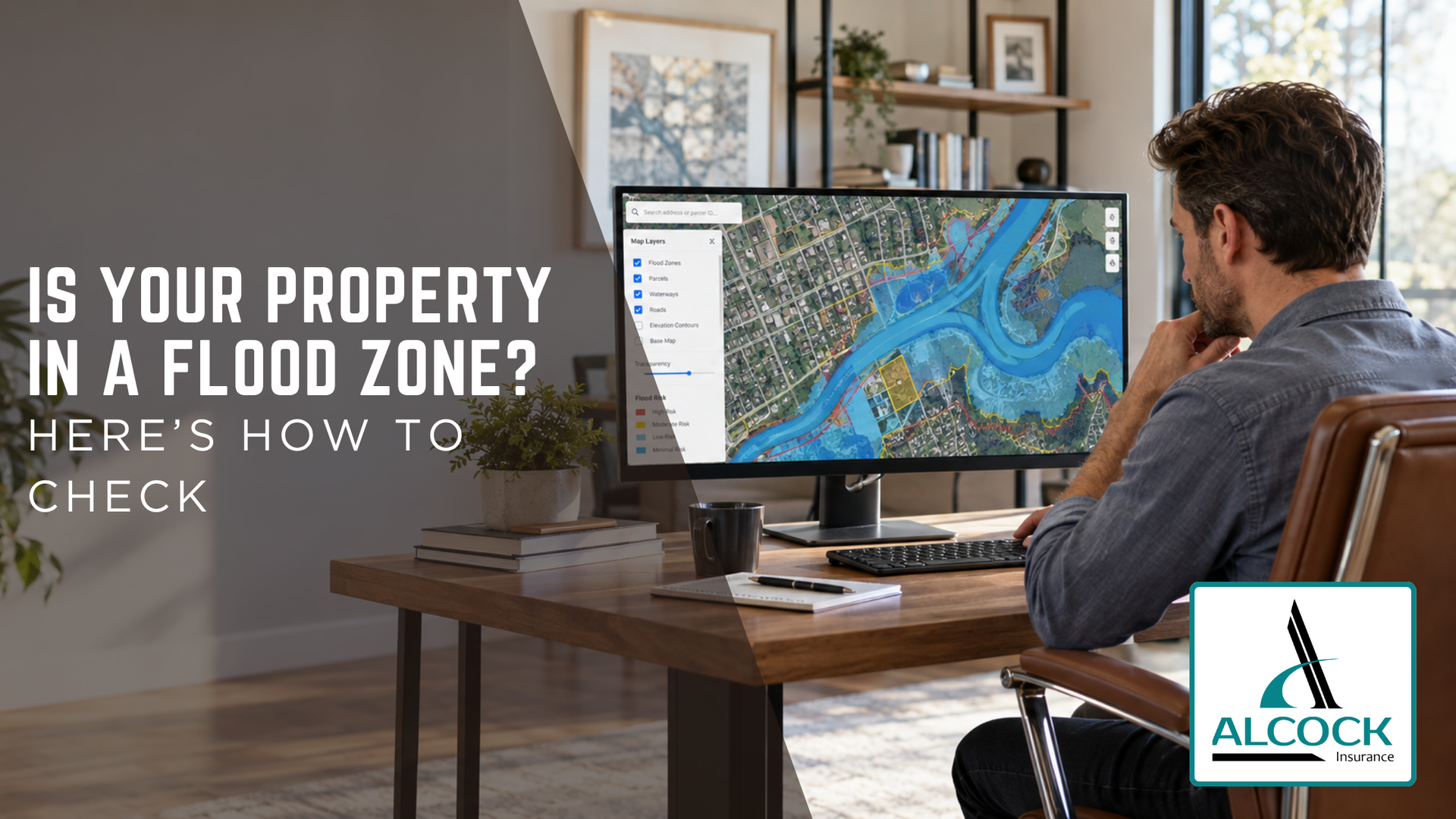
How To Check Your Flood Zone
A property owner can check a flood zone using flood maps, lender documents, or insurance review tools. However, map labels alone do not always tell the full story. The same general area may include properties with different elevations, drainage patterns, or claim histories.
When reviewing flood zone information, look at:
- The property’s exact address
- The flood zone designation
- The lender’s insurance requirements
- The home’s elevation and drainage
- Any past flooding or water intrusion
- The difference between home insurance and
flood insurance
If you are buying a home, it is wise to ask about prior water issues, review inspection findings, and compare insurance options before closing. If you already own the property, an annual insurance review can help identify whether your current protection still fits your risk.
Conclusion
High-risk and low-risk flood zones describe different levels of mapped flood probability, but neither label should be treated as a complete coverage plan. High-risk areas may trigger lender requirements and deserve careful insurance review, while low-risk areas can still experience costly flood damage under the right conditions.
The most practical approach is to understand your flood zone, review your current insurance, and decide whether flood coverage makes sense based on the property’s real exposure and your financial comfort level. Flood maps are useful, but they work best when paired with a clear policy review and a realistic look at what water damage could cost.
At Alcock Insurance, we are committed to offering our clients a wide range of comprehensive and affordable insurance policies. We go above and beyond to ensure that we meet your unique needs with tailored solutions. To find out more about how we can assist you, please reach out to our agency at (252) 353-1700 or
CLICK HERE to request a free, no-obligation quote.
Disclaimer: The content provided in this blog is for informational purposes only and should not be considered professional advice. For personalized guidance, it is important to consult with a qualified insurance agent or professional. They can offer expert advice tailored to your individual situation and help you make well-informed decisions about your insurance coverage.
Alcock Insurance
Greenville, NC
(252) 353-1700
https://www.alcockinsurance.com/