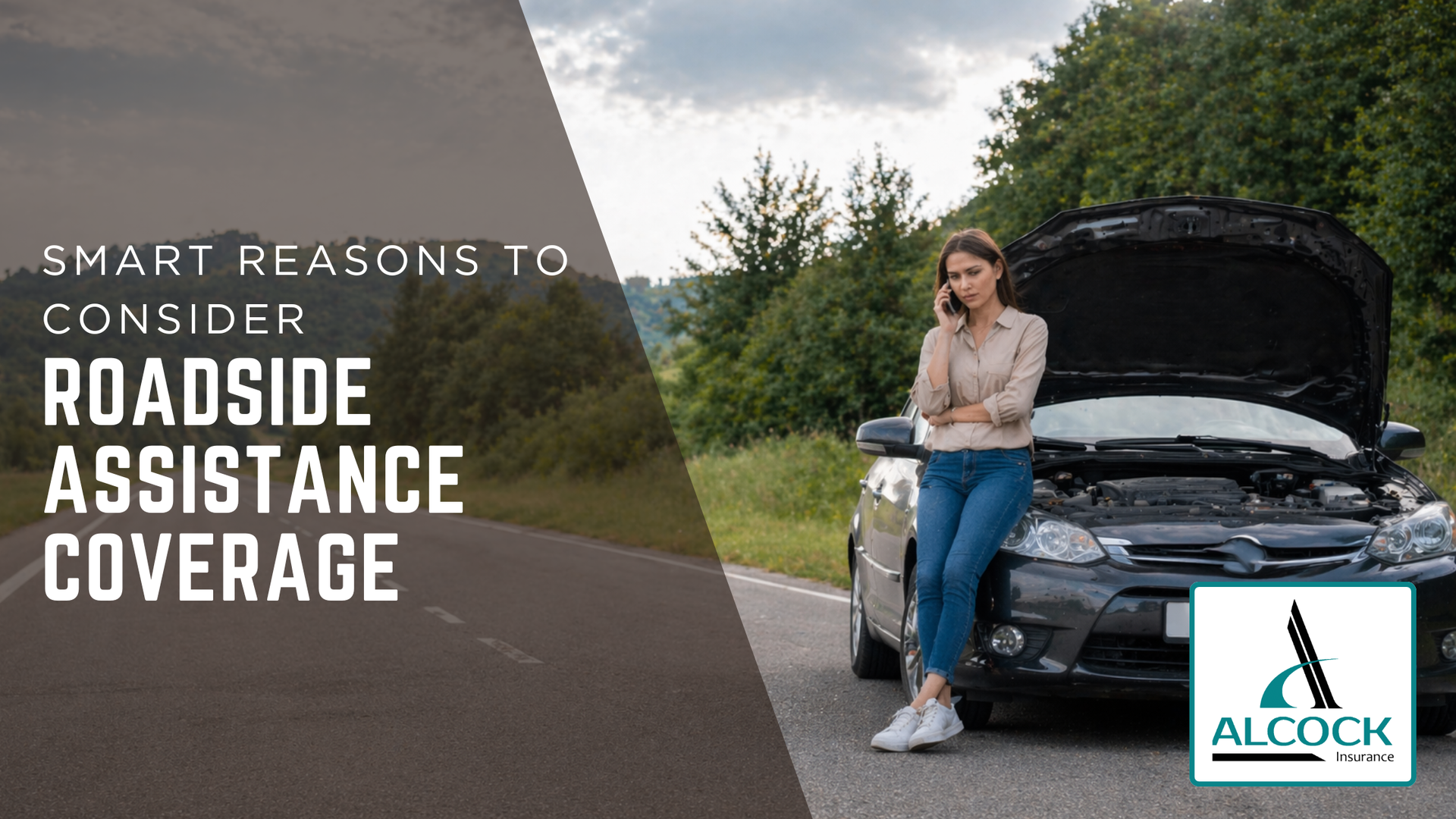
A breakdown rarely happens at a convenient time, and even a simple flat tire can become stressful when you are far from help. For drivers in Greenville, NC, roadside assistance coverage can be a practical add-on that helps reduce uncertainty when a vehicle problem interrupts the day.
What Roadside Assistance Coverage Means
Roadside assistance coverage is an optional auto insurance feature that may help pay for certain emergency services when your vehicle becomes disabled. It is designed for problems that happen on the road, in a parking lot, at home, or while traveling, depending on the policy.
This coverage is not the same as collision or comprehensive insurance. Collision coverage may help repair your vehicle after a covered accident. Comprehensive coverage may help with covered non-collision damage, such as theft, vandalism, fire, or certain weather events. Roadside assistance focuses on getting help when the vehicle cannot be driven safely or normally.
In our work with clients, a common issue we see is that drivers assume towing and roadside service are automatically included in every auto policy. They often are not. Roadside assistance usually has to be selected, and the limits should be reviewed before relying on it.
Towing Support When Your Vehicle Cannot Be Driven
One of the biggest reasons to consider
roadside assistance is towing. If your vehicle breaks down because of mechanical trouble, a dead battery, overheating, transmission failure, or another issue, towing can be expensive without coverage.
Roadside assistance may help cover towing to a nearby repair facility, subject to policy limits. Some policies cover towing up to a certain mileage limit, while others reimburse up to a dollar amount.
What To Check Before You Need A Tow
Review these details:
- How many towing miles are covered?
- Is towing to the nearest repair shop required?
- Can you choose the repair facility?
- Are there dollar limits?
- Is reimbursement required?
- Are multiple service calls allowed per year?
- Does coverage apply if the vehicle is at home?
- Are trailers or specialty vehicles included?
A policy that covers only a short tow may still leave the driver responsible for extra mileage costs. Knowing the limit ahead of time helps prevent surprises.
Help With Flat Tires
A flat tire can happen from road debris, potholes, worn tread, nails, or sudden air loss. If you have a usable spare tire, roadside assistance may send someone to install it so you can continue safely.
This can be especially useful if the flat happens at night, during rain, near a busy road, or in an unfamiliar area. Changing a tire yourself may not be safe if the vehicle is close to traffic or if the spare, jack, or lug nuts are difficult to manage.
Drivers should still keep their spare tire, tire inflator kit, and tools in good condition. Roadside assistance is helpful, but it cannot install a spare that is missing, damaged, or unusable.
Jump-Starts For Dead Batteries
Dead batteries are one of the most common roadside problems. A battery can fail because of age, cold weather, heat, electrical issues, or lights left on.
Roadside assistance may provide a jump-start so the vehicle can be driven to a safe location or repair shop.
If the battery will not hold a charge, the vehicle may still need towing or battery replacement. The service call can help identify whether a jump-start is enough or whether a deeper issue is likely.
For drivers commuting near East Carolina University, medical offices, retail centers, or busy local routes, a dead battery can quickly disrupt work, appointments, or family schedules.
Lockout Service
Locking keys inside a vehicle is frustrating and can happen to anyone.
Roadside assistance may include lockout service, which can help you regain access to the vehicle.
Policy details vary. Some plans cover the service call but not the cost of replacing keys, remotes, or electronic fobs. Others may have strict dollar limits.
What Lockout Coverage May Not Include
Roadside assistance may not cover:
- Replacing lost keys
- Programming electronic key fobs
- Repairing damaged locks
- Locksmith costs above the policy limit
- Lockouts involving non-covered vehicles
- Delays caused by specialty key systems
If your vehicle uses a smart key or advanced security system, ask how the policy handles modern key replacement issues.
Fuel Delivery
Running out of fuel can happen when a trip takes longer than expected or when a driver misjudges the distance to the next station. Roadside assistance may provide emergency fuel delivery.
Usually, the service call may be covered, but the cost of fuel may or may not be included. Some policies provide enough fuel to reach the nearest station, while others reimburse only within a set limit.
This coverage can be useful during long drives, late-night trips, or travel through less familiar areas.
Winching And Vehicle Recovery
Roadside assistance may include limited winching if a vehicle is stuck in mud, sand, snow, or a ditch near a public road. This can be helpful after heavy rain, soft ground, or a minor slide-off.
However, winching coverage often has strict conditions. The vehicle may need to be close to a regularly traveled road, and additional equipment or labor may cost extra.
Drivers in Greenville, NC should review whether recovery service applies only on public roads or whether there are limits for private driveways, fields, construction areas, or off-road locations.
Convenience During Stressful Situations
Roadside assistance is not only about the cost of service. It can also reduce stress by giving drivers one number to call when something goes wrong.
Without coverage, you may need to find a towing company, compare prices, confirm availability, and arrange payment while stranded. With roadside assistance, the insurance company or service network may help dispatch the provider.
This can be especially valuable for new drivers, older drivers, families with teen drivers, commuters, and anyone who frequently travels alone.
Cost Control And Predictability
Roadside service costs can vary depending on time of day, location, distance, weather, and demand. A tow after business hours or during a storm may cost more than expected.
Roadside assistance can make these costs more predictable. The coverage may be inexpensive compared with paying for towing or emergency service out of pocket.
However, drivers should not assume every cost is fully covered. Limits, exclusions, and reimbursement rules still apply.
Coverage For Multiple Drivers Or Vehicles
Some
roadside assistance coverage follows the insured vehicle, while some membership programs may follow the driver. This distinction matters for families with multiple vehicles or drivers.
If the coverage is tied to one vehicle, it may not help when you are driving a borrowed car, rental car, or family member’s vehicle. If it follows the person, it may apply more broadly.
Ask how the coverage works before assuming every household driver is protected.
Roadside Assistance Vs. Auto Club Memberships
Drivers may compare insurance-based roadside assistance with auto club memberships. Both can be useful, but they may work differently.
Insurance-based roadside assistance may be convenient because it is added to the auto policy and billed with premiums. An auto club membership may offer broader travel benefits, maps, discounts, or service coverage that follows the member rather than a specific vehicle.
The better choice depends on driving habits, vehicles, budget, service expectations, and how often roadside help may be needed.
Can Roadside Assistance Claims Affect Insurance?
Many drivers wonder whether using
roadside assistance affects their auto insurance rate. This depends on the insurer and situation. Roadside service calls are usually different from accident claims, but frequent use may still be reviewed by some carriers.
If you use roadside service often, it may point to a vehicle reliability issue. It is wise to ask how the insurer treats roadside assistance calls and whether they appear in claim history.
A single tow or jump-start is generally not the same as an at-fault accident, but the details should be confirmed with your insurance provider.
Common Mistakes To Avoid
Roadside assistance is simple in concept, but drivers can still run into problems.
Avoid these mistakes:
- Assuming towing is automatically included
- Not knowing the mileage limit
- Waiting until a breakdown to check coverage
- Ignoring reimbursement rules
- Assuming rental cars are covered
- Not updating vehicles on the policy
- Forgetting that specialty services may cost extra
- Letting a teen driver use a vehicle without knowing who to call
- Not saving roadside assistance contact information
For drivers in Greenville, NC, keeping the roadside assistance number in your phone and glove box can make a breakdown easier to handle.
When Roadside Assistance May Be Especially Useful
Roadside assistance may be worth considering if you commute daily, drive an older vehicle, travel with children, have a teen driver, frequently drive alone, or regularly take longer trips. It may also be helpful if you do not have an auto club membership or do not want to search for service providers during an emergency.
Drivers who travel between neighborhoods, medical appointments, school activities, and weekend plans near the Tar River area may appreciate having a backup plan when a vehicle problem happens away from home.
Conclusion
Roadside assistance coverage can help with practical problems such as towing, flat tires, dead batteries, lockouts, fuel delivery, and certain recovery services. It is not a replacement for auto repair, collision coverage, or routine maintenance, but it can provide useful support when a vehicle becomes disabled unexpectedly.
The key is to understand the policy before you need it. Review towing limits, service call rules, covered vehicles, reimbursement requirements, and exclusions. With the right expectations, roadside assistance can be a smart and affordable part of an auto insurance plan.
At Alcock Insurance, we are committed to offering our clients a wide range of comprehensive and affordable insurance policies. We go above and beyond to ensure that we meet your unique needs with tailored solutions. To find out more about how we can assist you, please reach out to our agency at (252) 353-1700 or
CLICK HERE to request a free, no-obligation quote.
Disclaimer: The content provided in this blog is for informational purposes only and should not be considered professional advice. For personalized guidance, it is important to consult with a qualified insurance agent or professional. They can offer expert advice tailored to your individual situation and help you make well-informed decisions about your insurance coverage.
Alcock Insurance
Greenville, NC
(252) 353-1700
https://www.alcockinsurance.com/