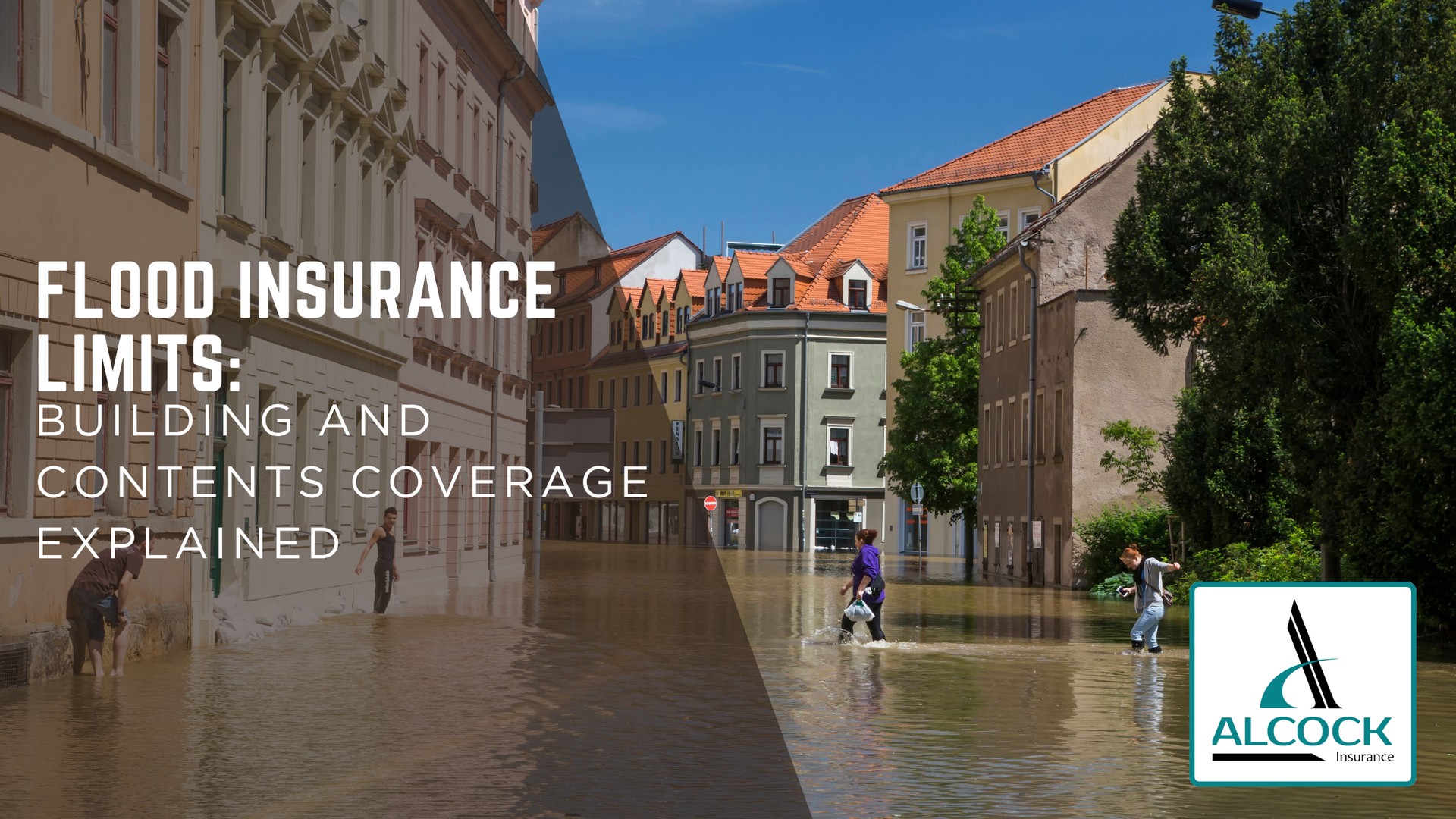
Flood risk is not always obvious from looking at a property, especially when a home is miles from a major river or coastline. For homeowners in Greenville, NC, checking the official flood map can help clarify the property's designated flood zone and provide useful information when evaluating flood insurance.
What Is a Flood Zone?
A flood zone is a geographic designation FEMA uses on
Flood Insurance Rate Maps, commonly called FIRMs, to describe different levels and types of flood hazard.
One of the most important designations is the Special Flood Hazard Area, or SFHA. FEMA defines these as areas with at least a 1% annual chance of flooding and identifies them primarily through A and V flood-zone designations.
The flood zone can affect
insurance requirements, building standards, lending decisions, and how property owners evaluate their overall flood exposure.
However, being outside a high-risk zone does not mean flooding cannot occur.
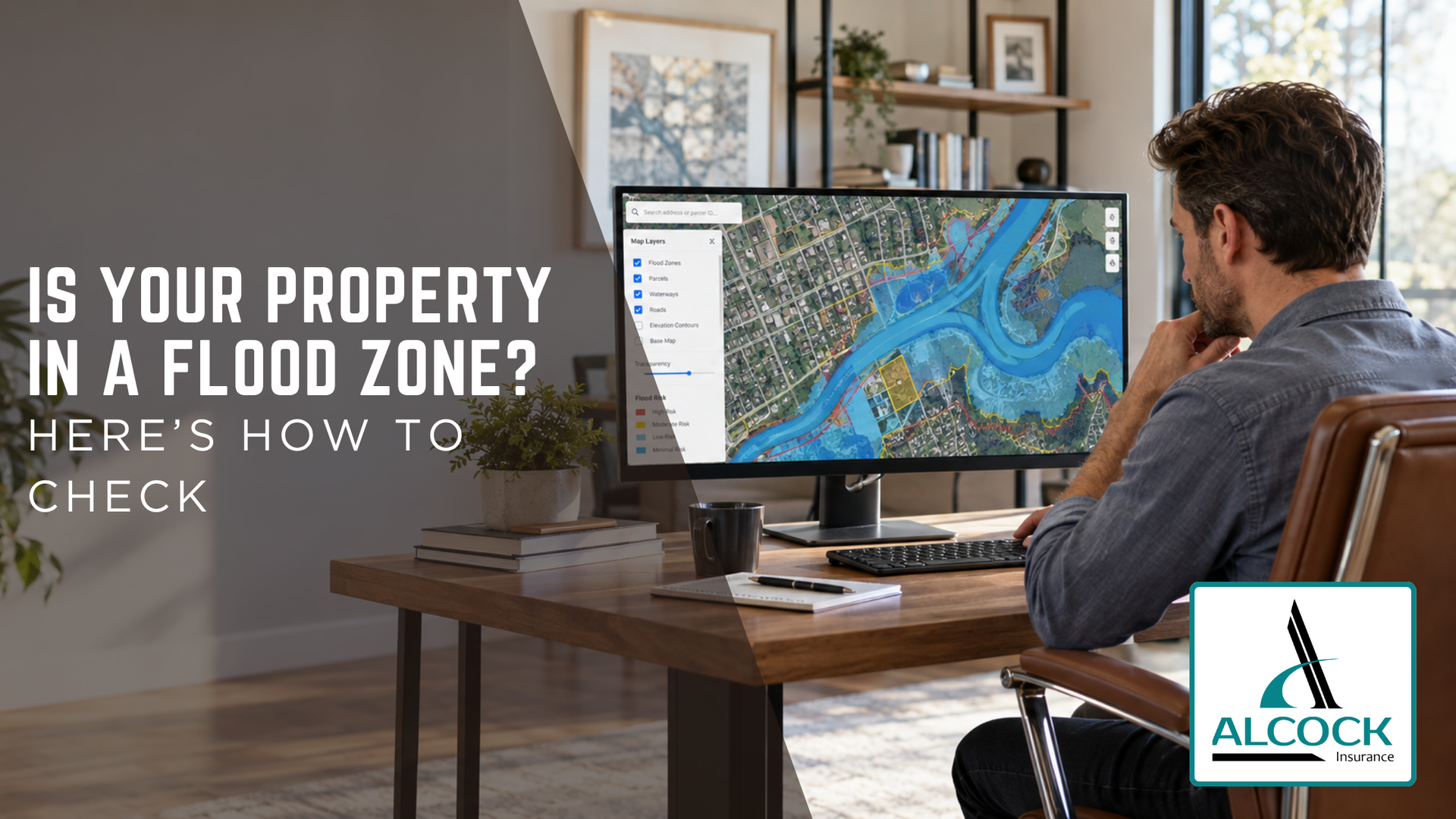
Start With FEMA’s Flood Map Service Center
The FEMA Flood Map Service Center is the official public source for flood hazard information produced for the National Flood Insurance Program.
Property owners can search for a location using a street address and review the effective
Flood Insurance Rate Map for that area. The system also provides access to additional resources such as Flood Insurance Studies, map panels, and Letters of Map Change.
The basic process is straightforward:
- Open the FEMA Flood Map Service Center
- Enter the property's full address
- Select the matching location
- Review the interactive map
- Identify the flood-zone designation
- Check whether additional map products or revisions apply
Because flood maps are updated over time, use the current effective map rather than relying solely on an old real estate document or flood determination.
What Do Common Flood Zones Mean?
Flood-zone codes can look confusing at first, but several designations appear frequently.
Zone A generally identifies an area within the 1%-annual-chance floodplain where detailed base flood elevations have not been determined.
Zone AE is also within the 1%-annual-chance floodplain, but detailed analysis has established Base Flood Elevations.
Zones V and VE identify coastal high-hazard areas where storm-induced waves create additional exposure.
FEMA generally uses shaded Zone X for moderate flood-hazard areas, including areas between the 1%-annual-chance and 0.2%-annual-chance flood boundaries. Unshaded Zone X generally represents areas of minimal mapped flood hazard.
These classifications describe mapped flood risk; they should not be interpreted as guarantees about whether a particular property will ever flood.
What Is a Base Flood Elevation?
When reviewing a detailed flood map, you may also see a Base Flood Elevation, commonly abbreviated BFE.
The BFE represents the estimated elevation reached by the base flood—the flood with a 1% chance of being equaled or exceeded in any given year.
This information can be important for construction, renovation, elevation requirements, and
insurance considerations.
Determining how a specific building compares with the BFE may require an elevation certificate, survey information, or assistance from a qualified floodplain professional.
Does Zone X Mean You Do Not Need Flood Insurance?
No flood-zone designation means a property has zero flood risk.
Zone X properties are outside FEMA's Special Flood Hazard Area, but flooding can still result from heavy rainfall, drainage problems, overwhelmed stormwater systems, or conditions that are not perfectly reflected in a map.
Flood maps represent modeled hazards based on available data. They do not predict exactly which individual property will flood during a future storm.
In our work with homeowners, a common misconception is that being outside an A or V zone means
flood insurance has no value. The better question is whether the potential cost of flood damage is something the household could comfortably absorb without insurance.
Check More Than the Map Color
When using an online flood map, do not rely solely on whether the property appears inside a colored area.
Confirm the actual zone designation associated with the location.
Property boundaries, structures, and flood-zone lines can be close together, particularly on larger parcels. One portion of a property can potentially fall within a different mapped hazard area from another.
If a flood-zone boundary appears unusually close to the home, consider asking the local floodplain administrator, surveyor, insurance professional, or FEMA mapping specialist for assistance.
FEMA also maintains the National Flood Hazard Layer, which contains effective flood hazard data and incorporates applicable map revisions.
Look for Letters of Map Change
Flood maps are not completely static.
A property may have a Letter of Map Amendment, Letter of Map Revision, or another official map-change document that affects how FEMA treats the property or surrounding area.
These records can be particularly important if an older map places the property near a flood-zone boundary.
The Flood Map Service Center allows users to access applicable Letters of Map Change along with current maps and other flood-hazard products.
Do not assume an old flood determination remains accurate indefinitely.
Your Mortgage Lender May Have Additional Requirements
Flood-zone information can also affect mortgage requirements.
Properties located in certain higher-risk areas may be subject to lender
flood-insurance requirements, particularly when federally regulated or insured lending is involved.
Even when flood insurance is not required by a lender, the homeowner can still choose to purchase coverage.
For property owners in Greenville, NC, discussing both mapped flood risk and insurance options can provide a more complete picture than using the lender's minimum requirement as the only decision point.
Consider Local Drainage and Property Conditions Too
Official FEMA maps are important, but homeowners should also pay attention to conditions around the individual property.
A home near the Tar River or Town Common may face different drainage considerations from another property several neighborhoods away.
Look for factors such as:
- Low areas on the lot
- Nearby creeks or drainage channels
- Evidence of previous water intrusion
- Poor grading around the foundation
- Stormwater drainage problems
- Local history of street flooding
East Carolina University and surrounding developed areas also illustrate how buildings, pavement, drainage systems, and rainfall can interact differently across relatively short distances.
Review Flood Risk When Buying or Renewing Insurance
Flood exposure should be reviewed when purchasing a home, refinancing, making major renovations, or renewing property insurance.
Ask whether the property is currently mapped in an A, V, or X zone and whether recent or preliminary mapping changes could affect the area.
Also remember that standard homeowners insurance generally excludes flooding from rising surface water. Separate
flood insurance is typically needed for that exposure.
Conclusion
Checking whether a property is in a flood zone starts with FEMA's Flood Map Service Center and the current
Flood Insurance Rate Map for the address. Understanding designations such as Zone A, AE, V, VE, and X can help homeowners interpret mapped risk, but no map can eliminate uncertainty entirely. Combining official flood information with local drainage conditions, property history, and appropriate insurance planning provides a more complete assessment.
At Alcock Insurance, we are committed to offering our clients a wide range of comprehensive and affordable insurance policies. We go above and beyond to ensure that we meet your unique needs with tailored solutions. To find out more about how we can assist you, please reach out to our agency at (252) 353-1700 or CLICK HERE to request a free, no-obligation quote.
Disclaimer: The content provided in this blog is for informational purposes only and should not be considered professional advice. For personalized guidance, it is important to consult with a qualified insurance agent or professional. They can offer expert advice tailored to your individual situation and help you make well-informed decisions about your insurance coverage.
Alcock Insurance
Greenville, NC
(252) 353-1700
service@alcockins.com
https://www.alcockinsurance.com/