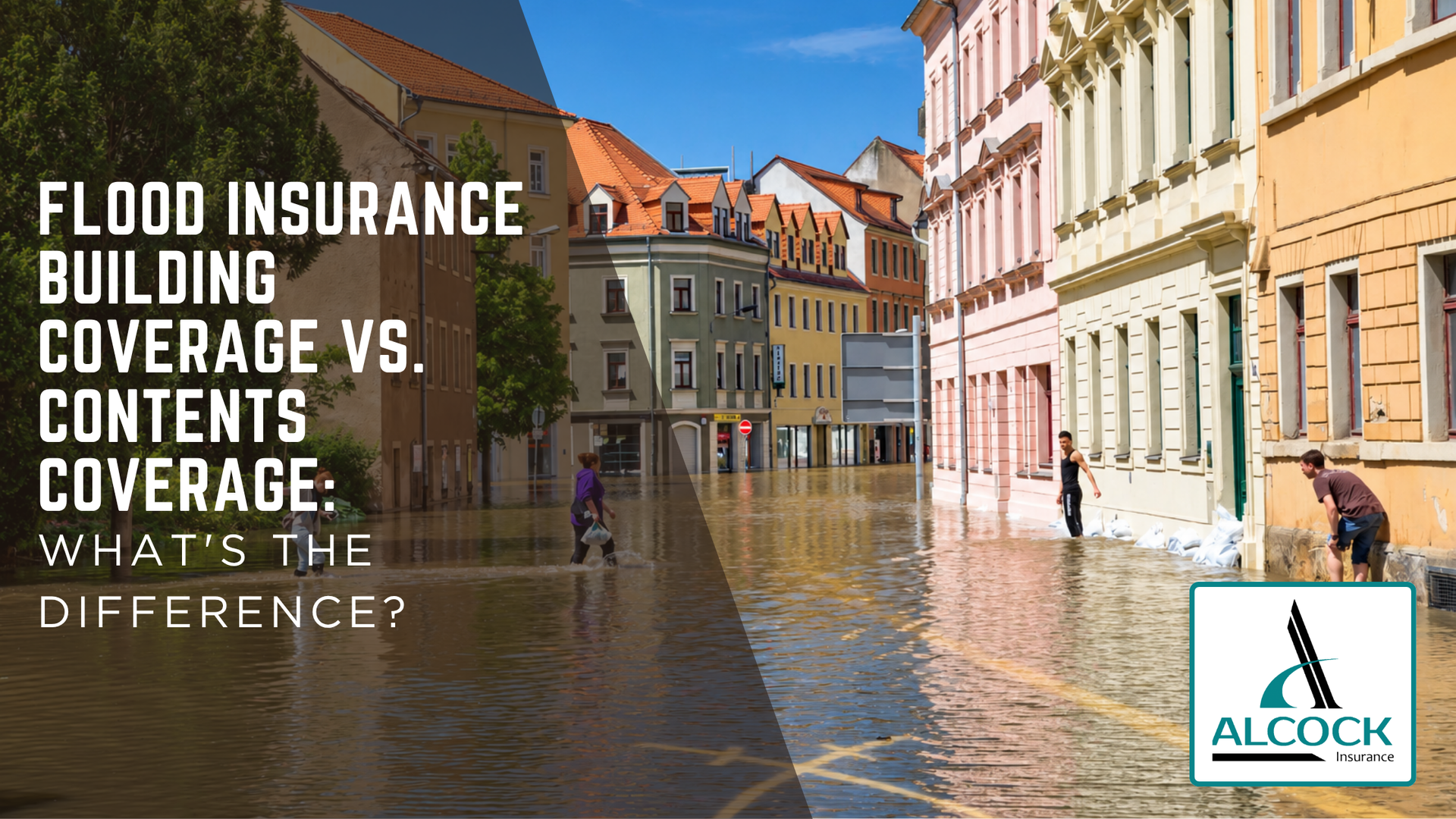
Flood damage can affect both the structure of a home and the belongings inside it, creating substantial financial challenges for property owners. However, purchasing flood insurance does not automatically mean every damaged item is protected. Understanding the difference between building coverage and contents coverage can help homeowners and renters make more informed insurance decisions.
What Is the Difference Between Building Coverage and Contents Coverage?
Flood insurance building coverage protects eligible structural components and permanently installed systems, while contents coverage protects qualifying personal belongings inside the insured property.
These are separate types of protection under the National Flood Insurance Program (NFIP), which is administered by the Federal Emergency Management Agency (FEMA).
For homeowners in Greenville, NC, understanding this distinction is particularly important because standard homeowners insurance generally excludes flood damage.
A homeowner can purchase building coverage, contents coverage, or both, subject to program eligibility and applicable policy requirements.
Each coverage has its own limit and deductible. Purchasing building protection alone does not automatically insure furniture, clothing, or other personal belongings.
What Does Flood Insurance Building Coverage Include?
Building coverage helps pay for direct physical damage caused by a qualifying flood to eligible parts of the insured structure.
Under the NFIP, covered building components generally include:
- The insured building and its foundation.
- Electrical and plumbing systems.
- Central air conditioning equipment and furnaces.
- Water heaters, refrigerators, and cooking stoves.
- Permanently installed cabinets, paneling, and bookcases.
- Certain permanently installed carpeting.
- Foundation staircases and qualifying anchorage systems.
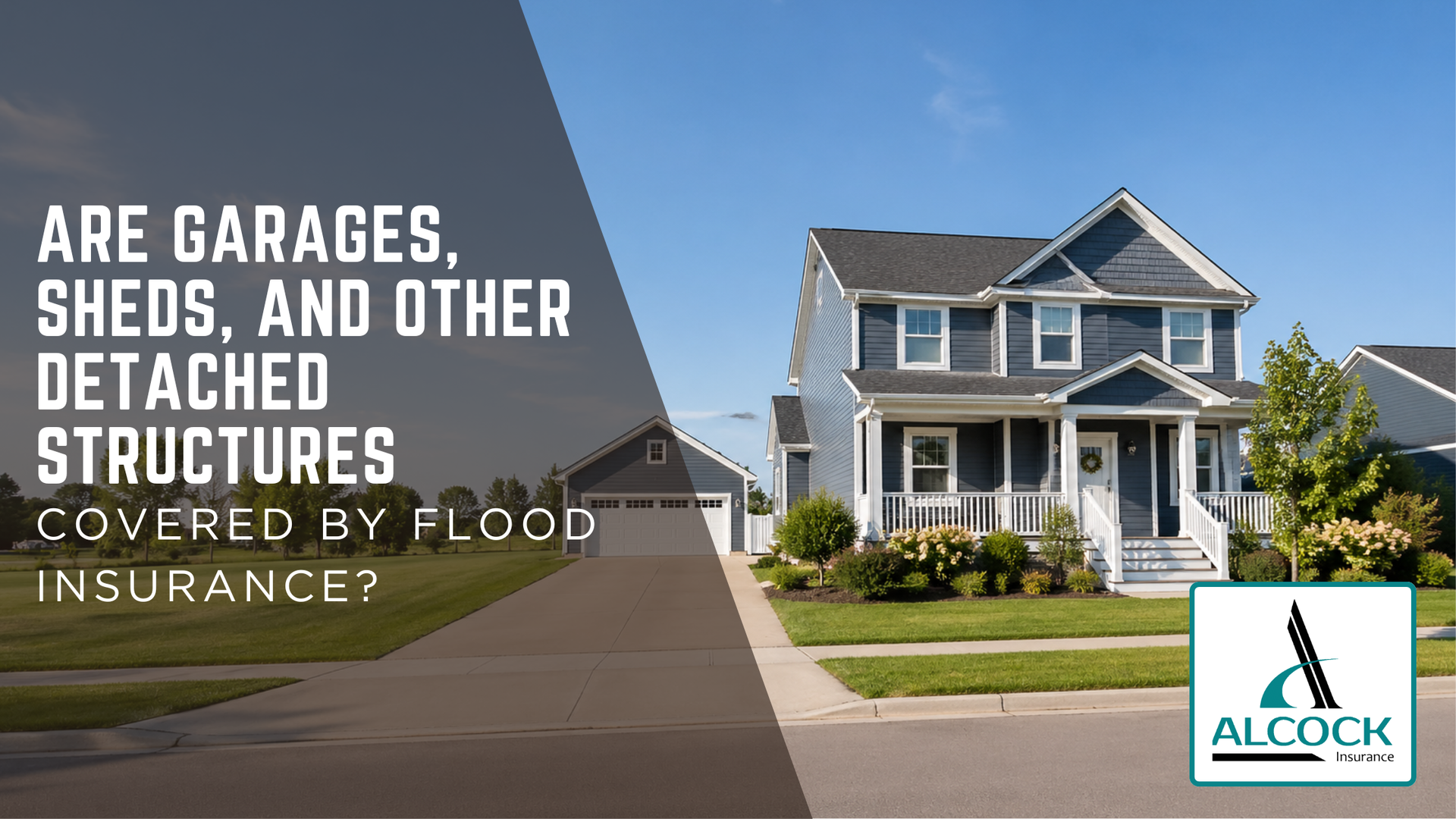
A detached garage may also receive limited building coverage under applicable NFIP provisions.
However, not every detached structure is automatically included.
Coverage depends on the policy's definitions, property characteristics, and exclusions.
What Does Flood Insurance Contents Coverage Include?
Contents coverage protects eligible personal belongings located within the insured building.
For example, if floodwater damages furniture, clothing, and electronics, contents insurance may help reimburse qualifying losses.
Under the NFIP, eligible belongings can include furniture, curtains, electronic equipment, washers, dryers, and certain portable appliances.
Some carpets that are not considered part of the building may also qualify.
However, valuable items such as original artwork and furs are subject to special limitations.
Contents coverage does not automatically protect every personal possession or belongings stored outside the insured building.
Homeowners should review these restrictions when choosing coverage limits.
How Much Building and Contents Coverage Can You Purchase?
For eligible one-to-four-family residential properties, the NFIP generally offers up to $250,000 in building coverage and $100,000 in contents coverage.
These amounts represent separate maximum available limits.
For example, a homeowner might purchase $250,000 in building coverage and $50,000 in contents coverage.
The building limit would apply to eligible structural damage, while the contents limit would apply to qualifying personal property losses.
These maximums do not guarantee that every claim will be paid up to the selected amount.
If rebuilding costs exceed available NFIP limits, homeowners may need to explore excess flood insurance through private insurers.
Private flood insurance may offer different limits, exclusions, and settlement arrangements.
Do Building and Contents Coverage Have Separate Deductibles?
Yes. Under the NFIP, building coverage and contents coverage generally have separate deductibles.
Suppose a qualifying flood causes $30,000 in covered structural damage and $12,000 in covered personal property damage.
If both coverages have a $2,000 deductible, the applicable deductible would generally be applied separately to each category.
This means the homeowner could be responsible for $4,000 in combined deductibles before other policy limitations are considered.
Actual reimbursement depends on eligibility, loss valuation, and the selected coverage.
Reviewing deductibles is especially important when comparing insurance proposals.
How Are Flood Insurance Claim Payments Calculated?
NFIP building and contents claims may be settled differently.
Certain qualifying principal residences can receive replacement cost settlement for eligible building damage when specific requirements are satisfied.
These generally include appropriate occupancy and insurance-to-value conditions.
Other buildings may be subject to actual cash value settlement.
NFIP contents coverage generally pays on an actual cash value basis, accounting for depreciation.
For example, an older sofa damaged by flooding may be reimbursed based on its depreciated value rather than the cost of purchasing a new one.
Private flood policies may use different valuation methods.
What Flood Damage Is Not Covered?
Flood insurance contains important exclusions that homeowners should understand.
NFIP policies generally do not cover additional living expenses, such as hotel costs incurred while a flooded home is repaired.
They also exclude many outdoor items, including landscaping, fences, decks, and swimming pools.
Damage caused by avoidable moisture, mildew, or mold may also be excluded.
Additionally, flood insurance generally does not cover losses caused directly by earth movement, even when flooding contributes to that movement.
Flood insurance should not be confused with homeowners coverage for certain sudden plumbing leaks or wind-driven rain.
The cause of damage matters when determining which policy may respond.
Are Basements Covered by Flood Insurance?
NFIP coverage for basements and certain areas below the lowest elevated floor is restricted.
Eligible building coverage may apply to specified structural elements and essential equipment.
However, finished walls, certain flooring, furniture, and other personal belongings may not qualify.
These limitations also affect some enclosed areas beneath elevated homes.
A common mistake is assuming that all basement furnishings are insured because contents coverage was purchased.
Property owners should confirm which items qualify before using below-ground areas for valuable storage.
Do Renters Need Building or Contents Coverage?
Renters generally need contents coverage rather than building coverage because the building is ordinarily the landlord's responsibility.
A landlord's building flood insurance generally does not cover a tenant's personal belongings.
For example, a renter whose electronics and furniture are damaged by qualifying floodwater may benefit from a separate contents policy.
Condominium owners should review their association's flood insurance and determine whether additional unit or personal property coverage is appropriate.
Ownership arrangements and policy forms affect available protection.
How Can You Choose the Right Flood Insurance Coverage?
Start by estimating your home's rebuilding cost and the value of your personal belongings.
Consider potential flood exposure, available NFIP limits, deductibles, and the financial consequences of uninsured losses.
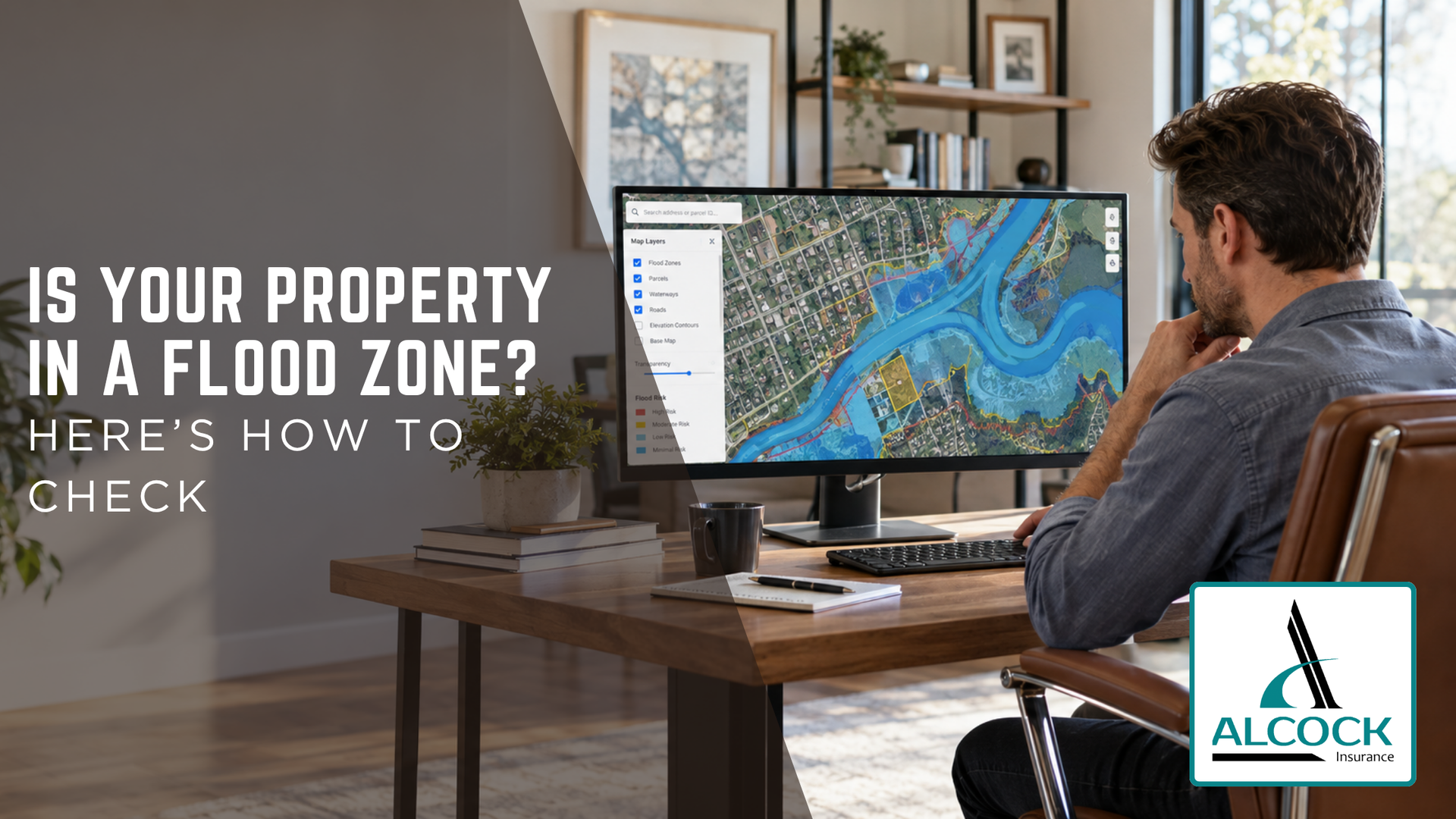
For households near the Tar River or River Park North, reviewing flood maps and property-specific risks can help guide insurance decisions.
However, properties outside designated high-risk flood zones can also experience flooding.
NFIP coverage generally has a 30-day waiting period before becoming effective, although exceptions apply.
Private flood policies may have different waiting periods.
For residents of Greenville, NC, reviewing coverage before severe weather develops can help avoid unnecessary gaps in protection.
Conclusion
Building coverage and contents coverage protect different financial interests following a qualifying flood.
Building insurance addresses eligible structural damage, while contents insurance protects specified personal belongings.
Understanding separate limits, deductibles, valuation methods, and exclusions can help homeowners select more appropriate coverage.
Reviewing both options before a flood occurs is an important part of protecting your home and belongings.
At Alcock Insurance, we are committed to offering our clients a wide range of comprehensive and affordable insurance policies. We go above and beyond to ensure that we meet your unique needs with tailored solutions. To find out more about how we can assist you, please reach out to our agency at (252) 353-1700 or
CLICK HERE to request a free, no-obligation quote.
Disclaimer: The content provided in this blog is for informational purposes only and should not be considered professional advice. For personalized guidance, it is important to consult with a qualified insurance agent or professional. They can offer expert advice tailored to your individual situation and help you make well-informed decisions about your insurance coverage.
Alcock Insurance
Greenville, NC
(252) 353-1700
service@alcockins.com
https://www.alcockinsurance.com/