Businesses often classify employees as full-time or part-time for scheduling and benefits purposes, but workers’ compensation does not necessarily follow the same distinctions. For employers and employees in Greenville, NC, understanding how work status affects coverage, benefits, payroll, and claim handling can help p
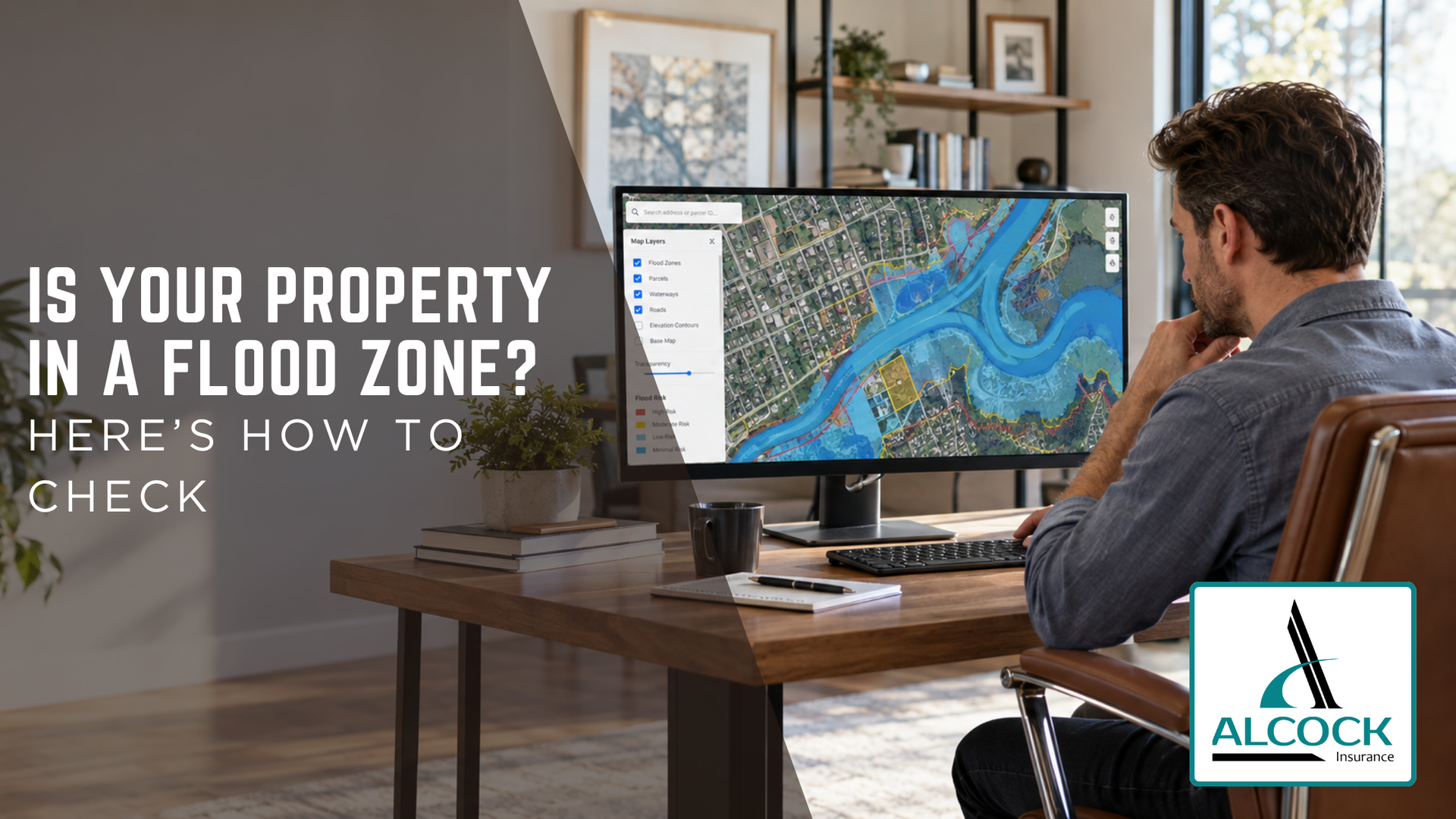
Flood risk is not always obvious from looking at a property, especially when a home is miles from a major river or coastline. For homeowners in Greenville, NC, checking the official flood map can help clarify the property's designated flood zone and provide useful information when evaluating flood insurance.

Homeowners insurance can cost dramatically more in one part of the country than another, even when the homes appear similar in size and value. For homeowners in Greenville, NC, understanding the regional factors behind insurance pricing can make it easier to evaluate premiums and identify which parts of the cost are ti
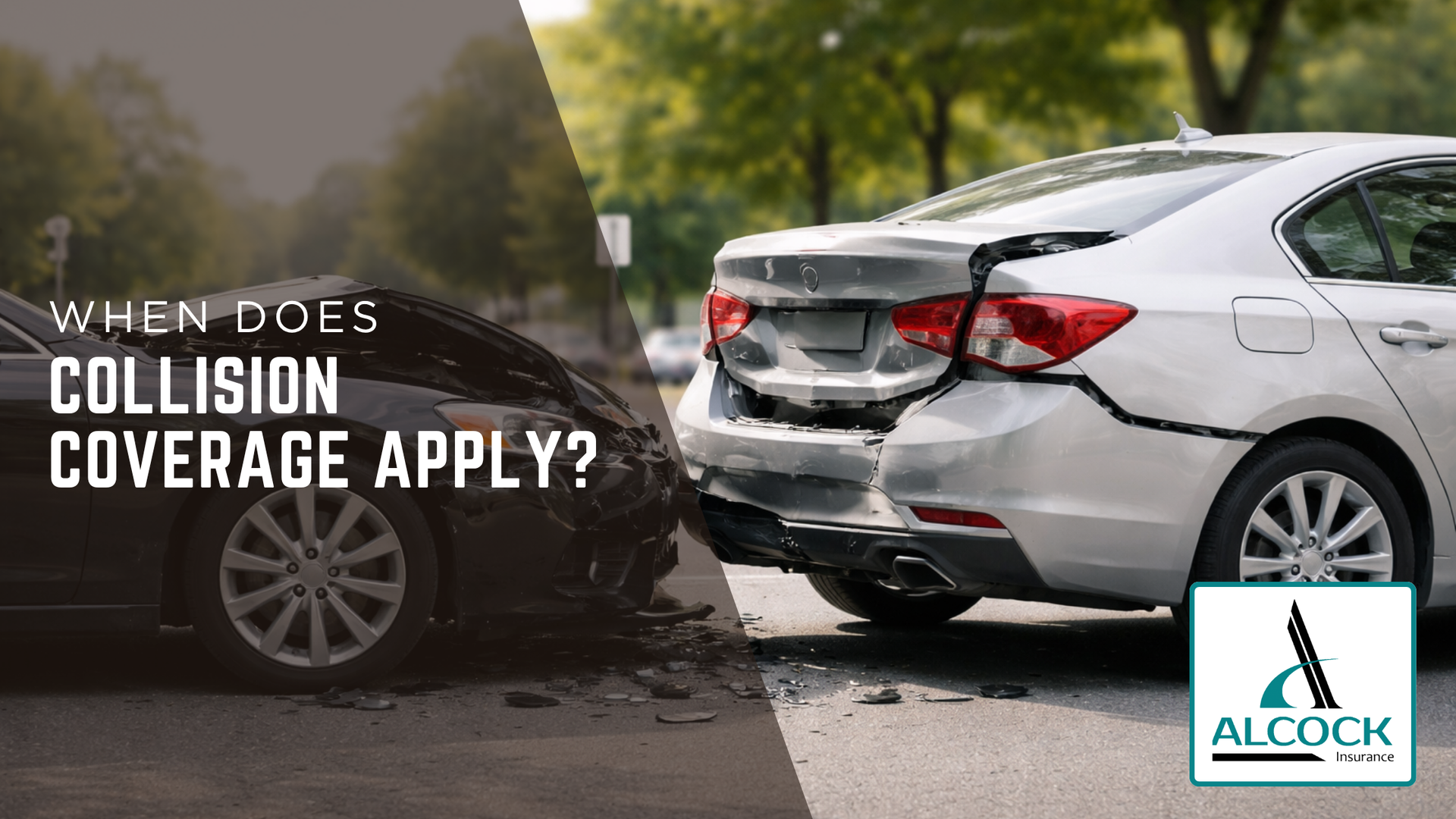
Collision coverage can be one of the most important parts of an auto policy after a crash, but many drivers are not completely sure when it applies or how it differs from other coverage. For drivers in Greenville, NC, understanding these distinctions can make the claims process easier and help prevent surprises after a

Restaurants and cafes face a mix of property, liability, equipment, employee, and food-related risks that can create expensive losses when coverage is incomplete. For owners in Greenville, NC, building the right insurance program means understanding how each policy responds to the realities of serving customers, prepar
Workers’ compensation and health insurance can both help with medical expenses, but they are designed for very different situations. For employers and employees in Greenville, NC, understanding where one type of coverage ends and the other begins can help reduce confusion after a workplace injury or illness.
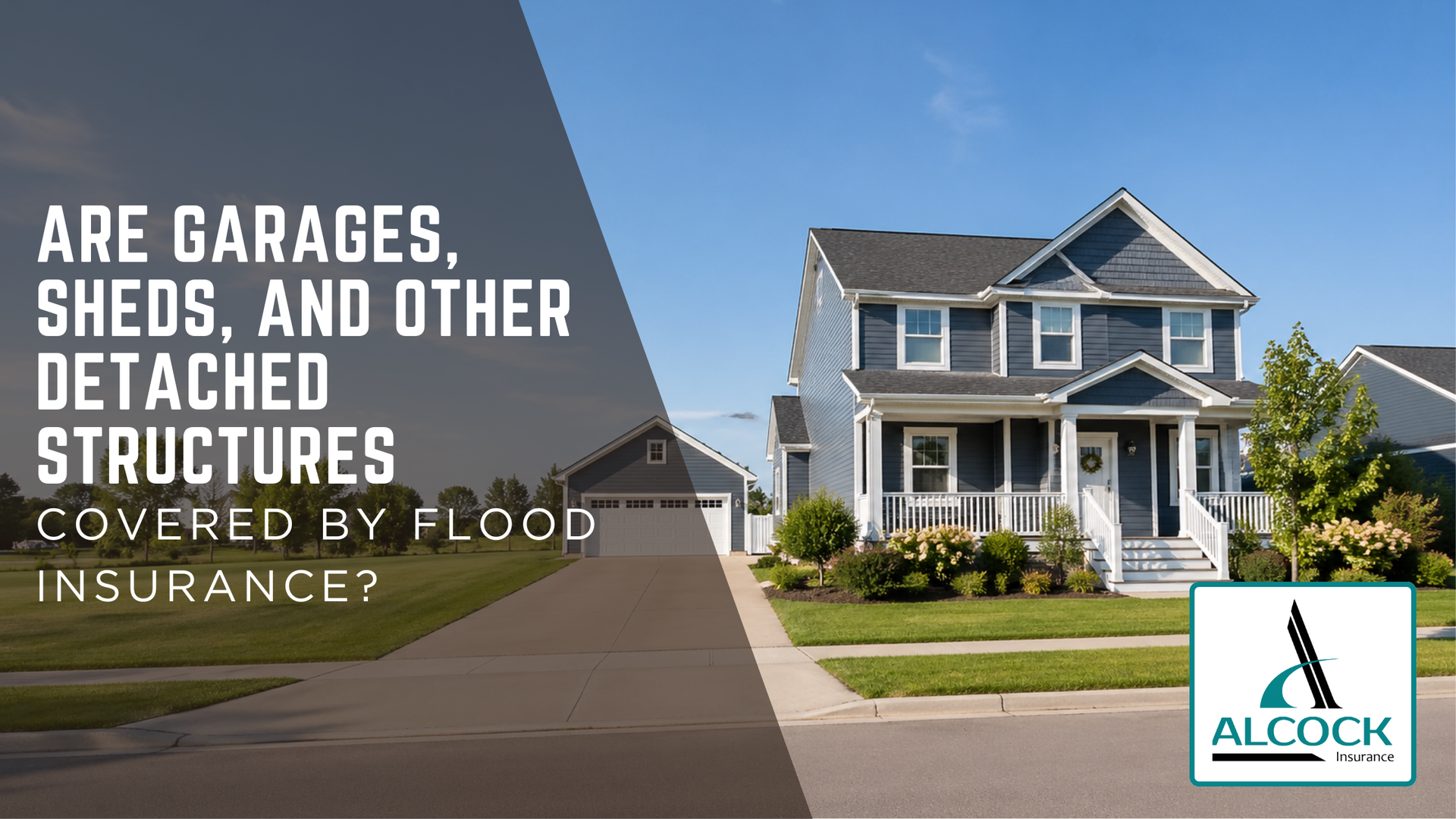
Flood damage can affect much more than the main house, especially when a property includes a detached garage, storage shed, workshop, or other secondary structure. For homeowners in Greenville, NC, understanding how flood insurance treats these buildings can help prevent assumptions about coverage that may only become
Business insurance can be easy to misunderstand because many coverage assumptions sound logical until a claim actually happens. For owners in Greenville, NC, separating common myths from policy realities can help prevent gaps, improve purchasing decisions, and make coverage easier to manage as the business grows.
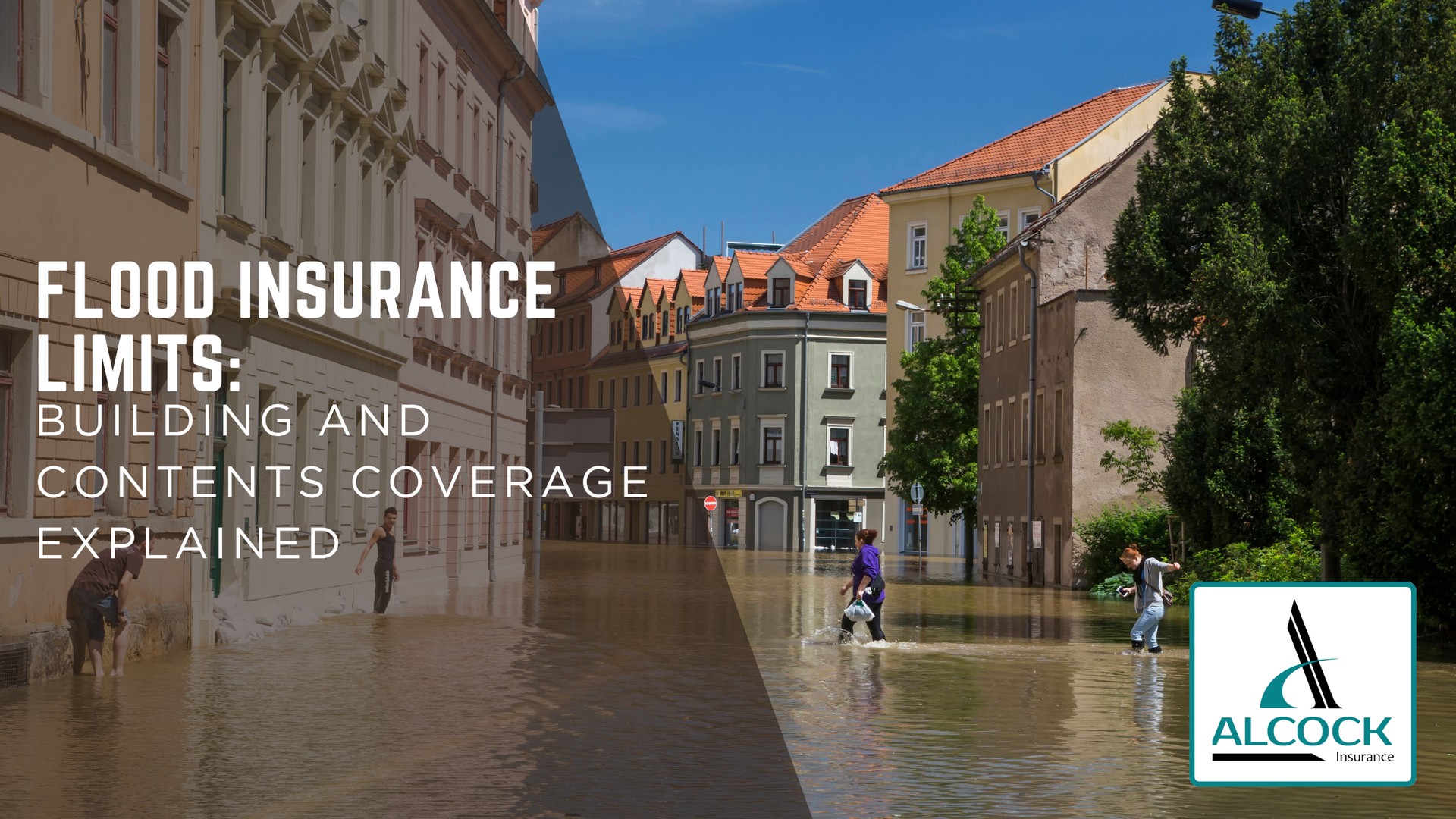
Flood damage can affect a home’s structure and everything stored inside it, yet those losses are not automatically insured under one shared limit. For property owners in Greenville, NC, understanding how building and contents coverage work separately can prevent major gaps when rising water damages both the home and pe

A customer injury, damaged client property, or advertising dispute can create legal expenses before a business knows whether it is responsible. For companies in Greenville, NC, commercial general liability insurance can provide an important financial defense against several common third-party claims, but its protection