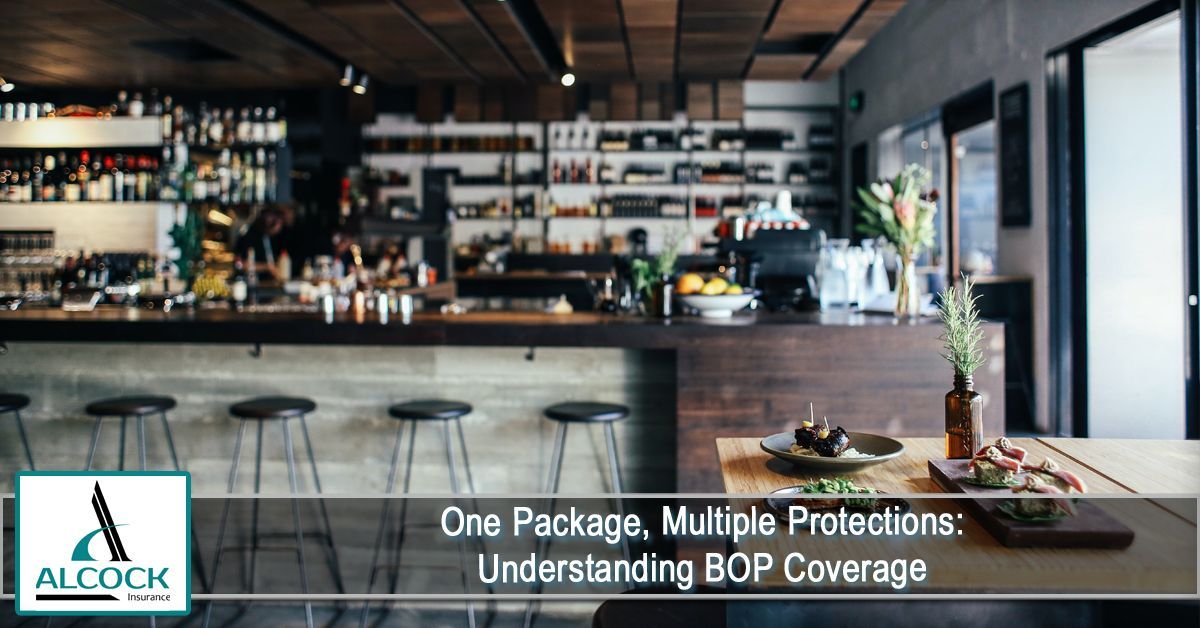
One Package, Multiple Protections: Understanding BOP Coverage
November 17, 2025

Running a business comes with many responsibilities—managing operations, employees, customer expectations, and financial obligations. With so much to juggle, business insurance shouldn’t add to the stress. That’s where a Business Owner’s Policy (BOP) comes in. A BOP bundles multiple forms of insurance protection into a single, cost-effective policy, helping business owners safeguard their operations without navigating complex individual policies.


Whether you're a new business owner or looking to update your current coverage, understanding how a BOP works can help you protect your business more efficiently and affordably.


What Is a Business Owner’s Policy (BOP)?

A Business Owner’s Policy combines essential insurance coverages into one streamlined package. It is designed primarily for small- to medium-sized businesses and typically includes:

  • General Liability Insurance
  • Commercial Property Insurance
  • Business Interruption Insurance


Instead of purchasing each coverage separately, a BOP offers them as a bundle—often at a better rate.


Key Components of a BOP

General Liability Insurance

Protects your business from claims involving:

  • Bodily injury
  • Property damage
  • Advertising injury
  • Legal fees and settlements


This coverage is essential because even one lawsuit could financially devastate an uninsured business.


Commercial Property Insurance

Covers the physical assets of your business, including:

  • Buildings
  • Equipment
  • Furniture
  • Inventory


It protects against risks such as fire, theft, and vandalism.


Business Interruption Insurance

Also known as business income coverage, this helps replace lost income if:

  • Your business must temporarily close due to a covered event
  • A disaster disrupts operations


This coverage can help pay ongoing expenses such as rent, payroll, and utilities, preventing financial strain during downtime.


Optional Add-Ons: Customizing Your BOP

Every business is unique, and many insurance providers allow you to add endorsements or riders. Some popular add-ons include:

  • Cyber liability insurance
  • Equipment breakdown
  • Professional liability
  • Commercial auto
  • Employment practices liability (EPLI)


These additions help tailor your policy to the risks most relevant to your industry.


Who Should Consider a BOP?

A Business Owner’s Policy is ideal for:

  • Retail stores
  • Restaurants
  • Professional offices (real estate agencies, accountants, salons, etc.)
  • Small manufacturers
  • Service-based businesses


If your business owns property, interacts with customers, or relies on consistent operations for revenue, a BOP is worth considering.


Cost Benefits of Bundling

Purchasing bundled coverage through a BOP can often cost significantly less than buying each policy separately. Insurance companies reward bundling because it reduces administrative overhead and risk categorization.


Local Consideration: Greenville, NC

If your business operates in Greenville, NC, having a BOP can be especially valuable due to regional risks like storms and property-related claims. Working with a local insurance expert can help ensure your coverage aligns with area-specific hazards and industry needs.


Why a BOP Matters for Long-Term Business Stability

A Business Owner’s Policy not only protects your present-day operations but also secures your business's future. With core protections under one policy, you reduce risk gaps, simplify renewal, and gain peace of mind knowing you’re adequately covered.


Conclusion

A Business Owner’s Policy is one of the most practical and cost-effective tools small and mid-sized business owners can use to manage risk. Instead of juggling multiple policies, a BOP provides essential protections—liability, property, and business interruption—in one comprehensive package.

If you’re ready to simplify your insurance and strengthen your financial protection, exploring whether a BOP fits your business needs is a smart step forward.


At Alcock Insurance, we are committed to offering our clients a wide range of comprehensive and affordable insurance policies. We go above and beyond to ensure that we meet your unique needs with tailored solutions. To find out more about how we can assist you, please reach out to our agency at (252) 353-1700 or CLICK HERE to request a free, no-obligation quote.


Disclaimer: The content provided in this blog is for informational purposes only and should not be considered professional advice. For personalized guidance, it is important to consult with a qualified insurance agent or professional. They can offer expert advice tailored to your individual situation and help you make well-informed decisions about your insurance coverage.

May 20, 2026
Flood damage can be expensive, stressful, and misunderstood, especially when homeowners assume
May 20, 2026
Business insurance can look complete at first glance, but important gaps may not be obvious until a claim happens.
May 14, 2026
Home renovations can improve comfort, function, and property value, but they can also change how your home should be insured.
May 14, 2026
“Full coverage” sounds reassuring, but it can mean different things depending on the policy, vehicle, lender requirements, and coverage choices.
April 27, 2026
Private flood insurance and NFIP flood insurance both help protect against flood loss, but they are not identical products. The best choice depends on the property
April 27, 2026
Business interruption insurance helps replace lost income and certain ongoing expenses when a covered event forces your business to slow down or temporarily stop operating
April 17, 2026
An insurance claim can be denied for many reasons, but the most common ones usually involve coverage gaps, exclusions, missed deadlines, policy conditions, or damage that the policy does not define as a covered loss. A denial does not always mean the insurer is acting unfairly, but it does mean the policy language, the
April 17, 2026
Car insurance policy limits are the maximum amounts your insurer may pay for covered losses under each part of your policy. They matter because even if you have the right type of coverage, low limits can still leave you paying substantial costs out of pocket after a serious accident.
March 19, 2026
FEMA flood zones AE, X, and VE describe different levels and types of flood risk, and they can affect insurance requirements, building considerations, and how you think about protecting your property. AE and VE are generally tied to higher-risk flood areas, while X usually indicates lower or moderate mapped flood risk,
March 19, 2026
Business insurance coverage limits determine the maximum amount your policy may pay for a covered loss, and choosing the wrong amount can leave a business underprotected even when the policy itself is active. The right limits depend on what your business does, what property it owns, how much liability exposure it creat
Show More