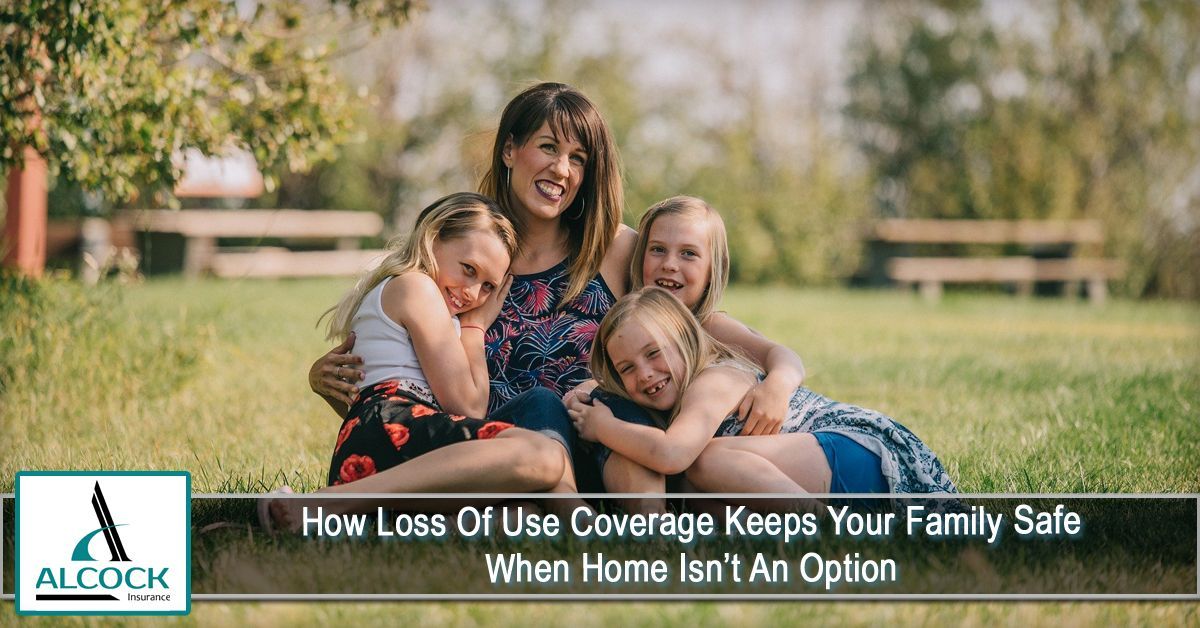
Imagine waking up to a burst pipe, a kitchen fire, or storm damage severe enough that living at home isn’t safe. It’s a stressful and overwhelming situation—but one that thousands of families face each year. In moments like these, one type of insurance protection becomes incredibly important: Loss of Use coverage.
Loss of Use (also called Additional Living Expenses coverage) ensures your family has a safe place to stay, food to eat, and access to essential services when your home becomes temporarily uninhabitable due to a covered event. It bridges the gap between disaster and recovery, giving you peace of mind when you need it most.
This guide breaks down what Loss of Use coverage includes, how it protects your financial well-being, and why every homeowner should understand this vital part of their policy.
What Is Loss of Use Coverage?
Loss of Use coverage is included in most homeowners, condo, and renters insurance policies. It provides financial support when you cannot live in your home due to damage from a covered peril, such as:
- Fire
- Smoke damage
- Burst pipes
- Windstorm or hail
- Vandalism
- Falling objects
- Sudden water damage (not flood-related)
If your home is unsafe, uninhabitable, or undergoing necessary repairs, Loss of Use helps your family maintain normal living conditions until you can return.
What Loss of Use Coverage Typically Includes
Loss of Use coverage is more comprehensive than many homeowners realize. It typically covers three main areas:
1. Additional Living Expenses (ALE)
ALE reimburses you for the extra costs you incur while living away from home.
This may include:
- Hotel or rental home costs
- Increased food expenses
- Laundry services
- Extra transportation costs
- Pet boarding fees
- Storage for personal belongings
Insurance pays for the difference between your normal costs and your temporary increased expenses.
2. Fair Rental Value
If you rent out part of your home and that space becomes uninhabitable, Loss of Use coverage can reimburse you for the rental income you would have earned.
3. Prohibited Use
Sometimes, you may be unable to return home due to:
- Evacuation orders
- Local government restrictions
- Safety concerns in your neighborhood
Loss of Use may cover living expenses even if your home wasn’t physically damaged but you are legally prevented from living in it.
Examples of Loss of Use in Real Life
Example 1: Kitchen Fire
A small stovetop fire fills your home with smoke. While repairs take place:
- Insurance pays for a hotel stay
- Reimburses additional food costs if you can’t cook
- Covers laundry expenses
Example 2: Severe Storm Damage
After roof damage from high winds, your family must relocate temporarily.
Loss of Use covers:
- A short-term rental property
- Travel expenses to work or school if further away
Example 3: Mandatory Evacuation
Wildfire danger forces your neighborhood to evacuate.
Loss of Use can pay for:
- A hotel
- Meals
- Pet accommodations
These protections ensure your family stays safe and financially stable during chaotic moments.
Why Loss of Use Coverage Is Essential for Families
Being displaced from your home affects nearly every aspect of life. Loss of Use helps absorb those sudden changes by:
- Providing immediate housing
Avoiding homelessness or unsafe living conditions.
- Protecting your financial stability
Temporary living expenses can add up quickly.
- Allowing time for proper repairs
You won’t feel pressure to rush the rebuild just to move home.
- Preserving normal routines
Children can continue school, adults can keep working, and pets stay cared for.
- Reducing emotional stress
Knowing your family will have a roof over their heads offers peace of mind.
Because storms and seasonal weather can affect the region, many families in Greenville, NC rely on Loss of Use coverage to provide essential support during unexpected home damage. Local insurance agents frequently recommend reviewing ALE limits to ensure families in Greenville, NC have enough protection for current hotel and rental costs in the area.
How Much Loss of Use Coverage Do You Need?
Coverage limits vary by policy. Some insurers offer:
Percentage-Based Limits
- Typically 20–30% of your dwelling coverage
- Example: A $300,000 dwelling limit could provide up to $60,000–$90,000 for ALE
Actual Expense Coverage
- Pays whatever additional living costs you incur, with no specific dollar limit
- Often subject to time limits (e.g., 12 or 24 months)
Key Consideration:
Ask yourself, “Could my family afford months of temporary housing without assistance?”
For most families, the answer is no—making adequate Loss of Use limits essential.
What Loss of Use Does Not Cover
To avoid misunderstandings, it’s important to know the limitations.
Loss of Use does not cover:
- Costs unrelated to displacement
- Mortgage or rent you already pay
- Costs from damage not covered by your policy (like flooding)
- Luxury upgrades (e.g., renting a mansion instead of a comparable home)
Insurers reimburse necessary additional living expenses—not vacations or lifestyle upgrades.
Tips for Filing a Loss of Use Claim Successfully
- Keep All Receipts
Documentation is essential for reimbursement.
- Track Your Normal Expenses
Helps your insurer calculate “additional” living costs.
- Ask Your Adjuster About Covered Expenses
They can clarify what is reimbursable.
- Choose Comparable Temporary Housing
Your insurance will cover reasonable accommodations—not extravagant ones.
- Communicate Early and Often
Update your insurer about repair timelines and temporary living needs.
Conclusion
Loss of Use coverage is a powerful yet often overlooked part of a homeowners, condo, or renters insurance policy. When your home becomes uninhabitable, this coverage steps in to ensure your family has a safe place to stay, food to eat, and stability during the transition back home.
Whether you live in Greenville, NC, or elsewhere, understanding your Loss of Use protections before disaster strikes can make all the difference in your recovery experience. Reviewing your policy now ensures your family will be fully supported when life takes an unexpected turn.
At Alcock Insurance, we are committed to offering our clients a wide range of comprehensive and affordable insurance policies. We go above and beyond to ensure that we meet your unique needs with tailored solutions. To find out more about how we can assist you, please reach out to our agency at (252) 353-1700 or CLICK HERE to request a free, no-obligation quote.
Disclaimer: The content provided in this blog is for informational purposes only and should not be considered professional advice. For personalized guidance, it is important to consult with a qualified insurance agent or professional. They can offer expert advice tailored to your individual situation and help you make well-informed decisions about your insurance coverage.