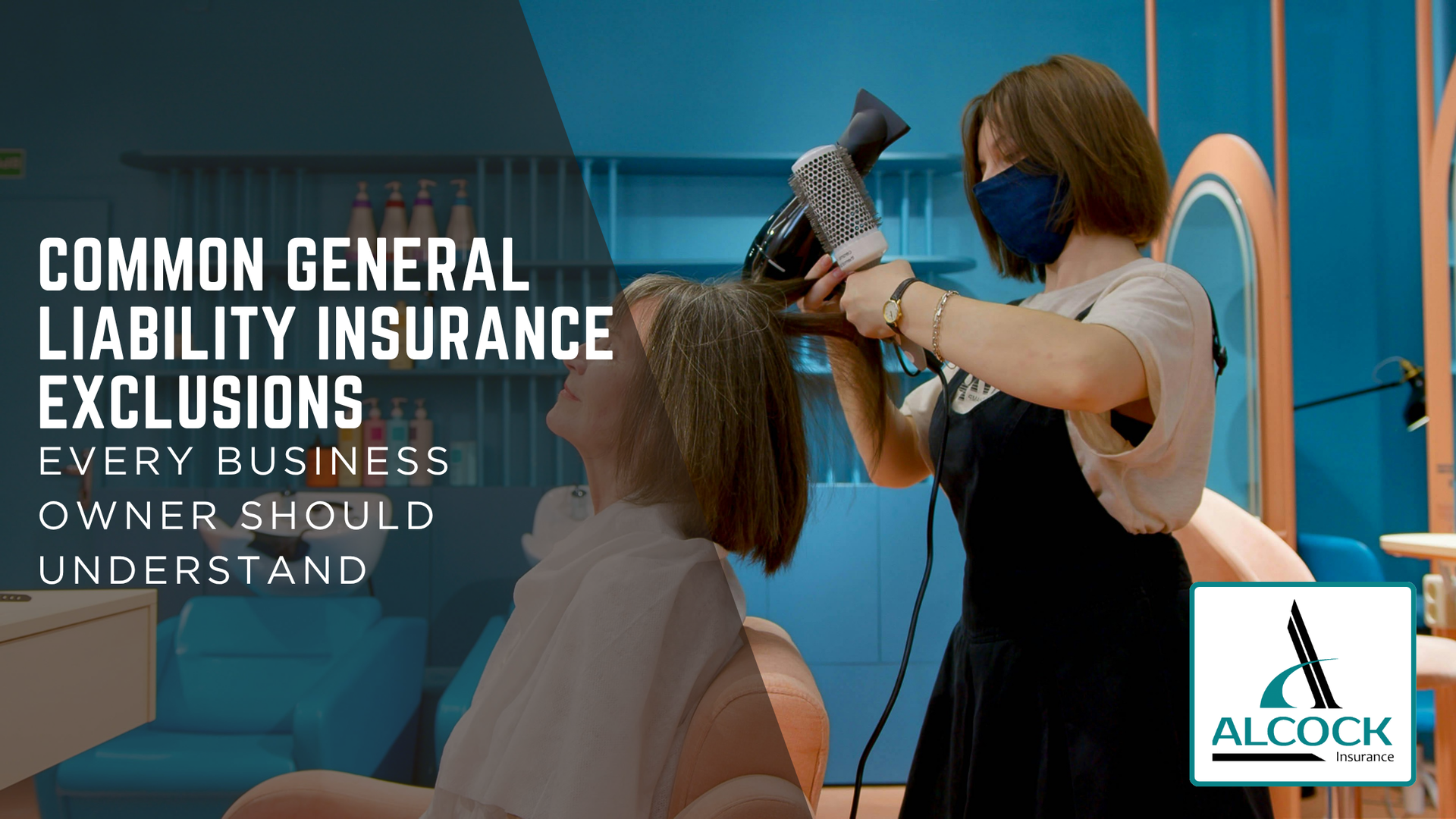
General liability insurance is an important part of protecting a business, but not every accident, lawsuit, or financial loss falls within its coverage. For business owners in Greenville, NC, understanding policy exclusions can help prevent unexpected expenses and identify potential insurance gaps. Knowing where general liability protection begins and ends is essential when building a comprehensive business insurance strategy.
What Does General Liability Insurance Typically Cover?
Commercial general liability (CGL) insurance helps protect businesses against certain third-party claims involving bodily injury, property damage, and personal or advertising injury.
For example, if a customer slips on a wet floor inside a retail store, general liability insurance may help cover qualifying medical expenses and legal costs.
Coverage may also apply when business operations accidentally damage another person's property.
However, policies contain exclusions that determine which losses are not covered.
Understanding these restrictions is important because general liability insurance does not replace every other type of commercial insurance.
Does General Liability Insurance Cover Employee Injuries?
One common misconception is that
general liability insurance covers employees injured while performing their jobs.
Standard CGL policies generally exclude bodily injuries arising from employment, including certain related claims.
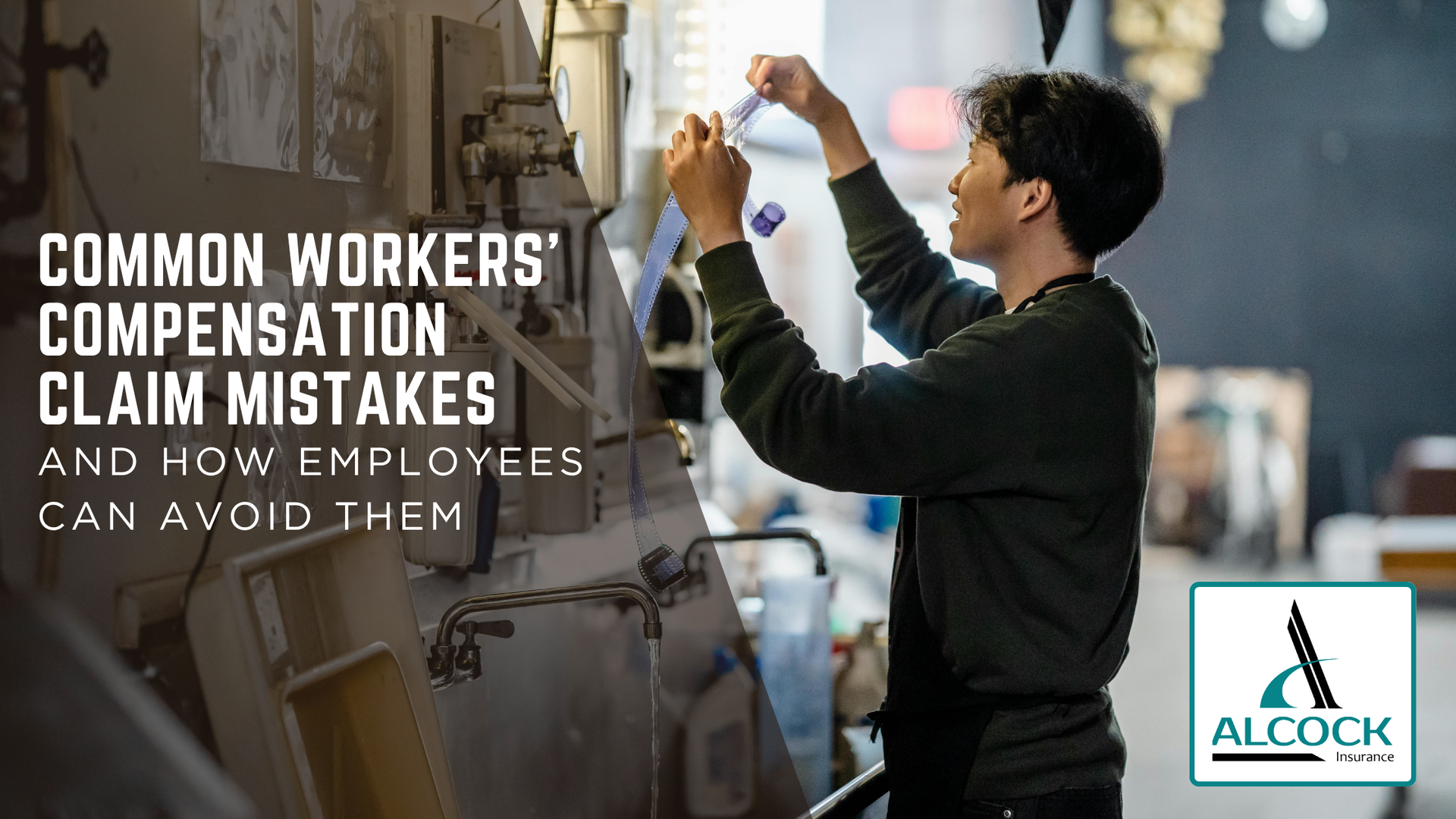
Instead, workers' compensation insurance is designed to provide benefits for eligible employees who experience work-related injuries or illnesses.
For example, if an employee suffers a qualifying injury while operating warehouse equipment, workers' compensation would generally be the relevant coverage.
North Carolina generally requires businesses with three or more employees to carry workers' compensation insurance, although exceptions and special rules apply.
Business owners should verify their obligations rather than assuming general liability coverage is sufficient.
Are Professional Errors Covered by General Liability Insurance?
General liability insurance typically does not cover financial losses resulting solely from professional mistakes, negligent advice, or failures to perform specialized services.
These exposures may require professional liability insurance, also called errors and omissions (E&O) insurance.
For example, an accounting firm near East Carolina University could face a client claim alleging that an incorrect financial recommendation caused monetary losses.
Such claims may fall outside general liability coverage because they involve professional services rather than ordinary bodily injury or property damage.
Professional liability policies may help address qualifying claims, subject to their exclusions and conditions.
Does General Liability Insurance Cover Business Vehicle Accidents?
Standard
commercial general liability policies generally exclude bodily injury and property damage arising from the ownership, maintenance, or use of automobiles.
Businesses that own or operate vehicles should evaluate commercial auto insurance.
For example, if a delivery driver causes an accident while transporting company products, commercial auto liability insurance may provide the applicable protection.
Businesses should also review hired and non-owned auto coverage when employees use personal or rented vehicles for company activities.
The appropriate insurance arrangement depends on vehicle ownership, usage, and business operations.
What Property Damage Is Excluded From General Liability?
General liability insurance may cover qualifying damage caused to another person's property, but important restrictions apply.
Policies commonly exclude damage to property owned by the insured business.
Additional limitations may involve property in the business's care, custody, or control.
For business owners in Greenville, NC, these distinctions can be particularly important when handling customer belongings or performing services at client locations.
For example, a repair company that damages equipment entrusted to it may encounter coverage restrictions.
Commercial property insurance, inland marine coverage, or specialized endorsements may help address certain related exposures.
Does General Liability Cover Faulty Workmanship?
General liability insurance is not designed to function as a warranty for defective products or poor workmanship.
Many policies exclude the cost of repairing or replacing the insured business's own defective work.
However, resulting damage to other property may qualify for coverage in certain circumstances.
For example, faulty plumbing installation might require the contractor to correct its work at its own expense, while resulting water damage to other property could potentially trigger coverage.
Actual outcomes depend on policy language, contractual relationships, and applicable law.
What Other General Liability Exclusions Should Businesses Review?
Several additional exclusions deserve attention:
- Cyber Incidents: Data breaches and certain technology-related losses may require cyber liability insurance.
- Intentional Harm: Expected or intentionally caused injuries or damage are generally excluded.
- Pollution: Many pollution-related claims face substantial coverage restrictions.
- Employment Practices:
Discrimination, harassment, and wrongful termination claims typically require separate protection.
- Contractual Obligations: Certain liabilities assumed through contracts may fall outside coverage.
A business operating near Greenville Town Common should evaluate these exposures according to its actual services, employees, and customer interactions.
How Can Business Owners Identify Insurance Coverage Gaps?
Preventing unexpected exclusions begins with a detailed policy review.
Business owners should:
- Read the exclusions and definitions in their CGL policy.
- Identify activities involving vehicles, professional services, or customer property.
- Review contractual insurance requirements.
- Evaluate separate workers' compensation and cyber insurance needs.
- Ask about endorsements that may address specific exposures.
An insurance professional can help explain where commercial policies overlap and where additional protection may be necessary.
Conclusion
General liability insurance provides important protection against certain third-party injuries, property damage, and related claims, but it does not cover every business risk.
Employee injuries, professional errors, vehicle accidents, faulty workmanship, and cyber incidents may require different insurance policies.
Understanding exclusions and regularly reviewing business activities can help owners make informed decisions about protecting their operations.
At Alcock Insurance, we are committed to offering our clients a wide range of comprehensive and affordable insurance policies. We go above and beyond to ensure that we meet your unique needs with tailored solutions. To find out more about how we can assist you, please reach out to our agency at (252) 353-1700 or
CLICK HERE to request a free, no-obligation quote.
Disclaimer: The content provided in this blog is for informational purposes only and should not be considered professional advice. For personalized guidance, it is important to consult with a qualified insurance agent or professional. They can offer expert advice tailored to your individual situation and help you make well-informed decisions about your insurance coverage.
Alcock Insurance
Greenville, NC
(252) 353-1700
service@alcockins.com
https://www.alcockinsurance.com/