Flood insurance decisions involve more than comparing premiums and coverage limits. For homeowners and business owners in Greenville, NC, understanding how state insurance regulations interact with federal requirements can help clarify which policies offer appropriate protection. Knowing these differences is especially important when evaluating private flood insurance as an alternative to government-backed coverage.
What Is Private Flood Insurance?
Private
flood insurance is coverage issued by private insurance companies to protect qualifying property against damage caused by flooding.
Unlike policies offered through the National Flood Insurance Program (NFIP), which is administered by the Federal Emergency Management Agency (FEMA), private flood policies are developed and underwritten by commercial insurers.
Depending on the insurer, private policies may offer higher coverage limits, additional protection for personal belongings, or expanded coverage options.
However, availability, premiums, deductibles, and exclusions vary significantly.
State insurance regulations and federal lending requirements also influence how these policies are issued, evaluated, and accepted.
How Do State Insurance Laws Regulate Private Flood Insurance?
State insurance laws establish requirements governing insurance companies and the
policies they offer.
In North Carolina, the Department of Insurance oversees many aspects of the private insurance marketplace.
Regulatory responsibilities may include:
- Insurer Licensing: Establishing requirements for insurers conducting business in the state.
- Policy Oversight: Reviewing applicable insurance forms and rates according to state law.
- Consumer Protections: Enforcing relevant insurance regulations and complaint procedures.
- Market Conduct: Monitoring certain insurer business practices.
- Claims Practices: Addressing compliance with applicable claims-handling requirements.
However, regulatory protections can differ depending on whether an insurance company operates as an admitted insurer or through the surplus lines market.
What Is the Difference Between Admitted and Surplus Lines Insurers?
Admitted insurers are licensed by the state and generally operate under applicable insurance form, rate, and consumer protection requirements.
Surplus lines insurers provide certain coverage that may be unavailable through admitted insurance markets.
North Carolina permits qualifying surplus lines placements under specific statutory conditions.
However, surplus lines policies are not subject to the same form and rate approval requirements as admitted policies.
For property owners in Greenville, NC, understanding the insurer's regulatory status is important before purchasing private
flood coverage.
Consumers should also determine whether applicable state insurance guaranty fund protections are available, since surplus lines policies generally do not receive the same protections.
Do Mortgage Lenders Accept Private Flood Insurance?
Federal law influences whether private
flood insurance satisfies mortgage-related coverage requirements.
Under federal regulations, covered lending institutions must accept qualifying private flood insurance policies that meet the statutory definition and applicable requirements.
Lenders may also accept certain other private policies at their discretion.
However, not every private flood insurance policy automatically satisfies lender requirements.
Before switching coverage, property owners should confirm that the proposed policy meets their lender's conditions.
This is particularly important when a property is located in a Special Flood Hazard Area and subject to mandatory flood insurance requirements.
How Do Private Flood Insurance Policies Compare With NFIP Coverage?
Both private
flood insurance and NFIP policies provide protection against qualifying flood damage, but their terms may differ.
Private insurers may offer coverage limits or additional benefits unavailable through standard NFIP policies.
However, differences can also involve:
- Waiting periods before coverage becomes effective.
- Building and personal property limits.
- Replacement cost and actual cash value provisions.
- Additional living expense coverage.
- Basement and below-ground property restrictions.
- Deductibles and renewal requirements.
Most new NFIP policies have a 30-day waiting period, although exceptions apply.
Private insurance waiting periods depend on the insurer and policy.
Why Do Local Flood Risks Matter When Choosing Coverage?
Flood exposure depends on property elevation, drainage conditions, nearby waterways, and other environmental factors.
For properties near the Tar River, evaluating flood risk is important even when a building lies outside a designated high-risk flood zone.
Flooding can also occur because of heavy rainfall or overwhelmed drainage systems.
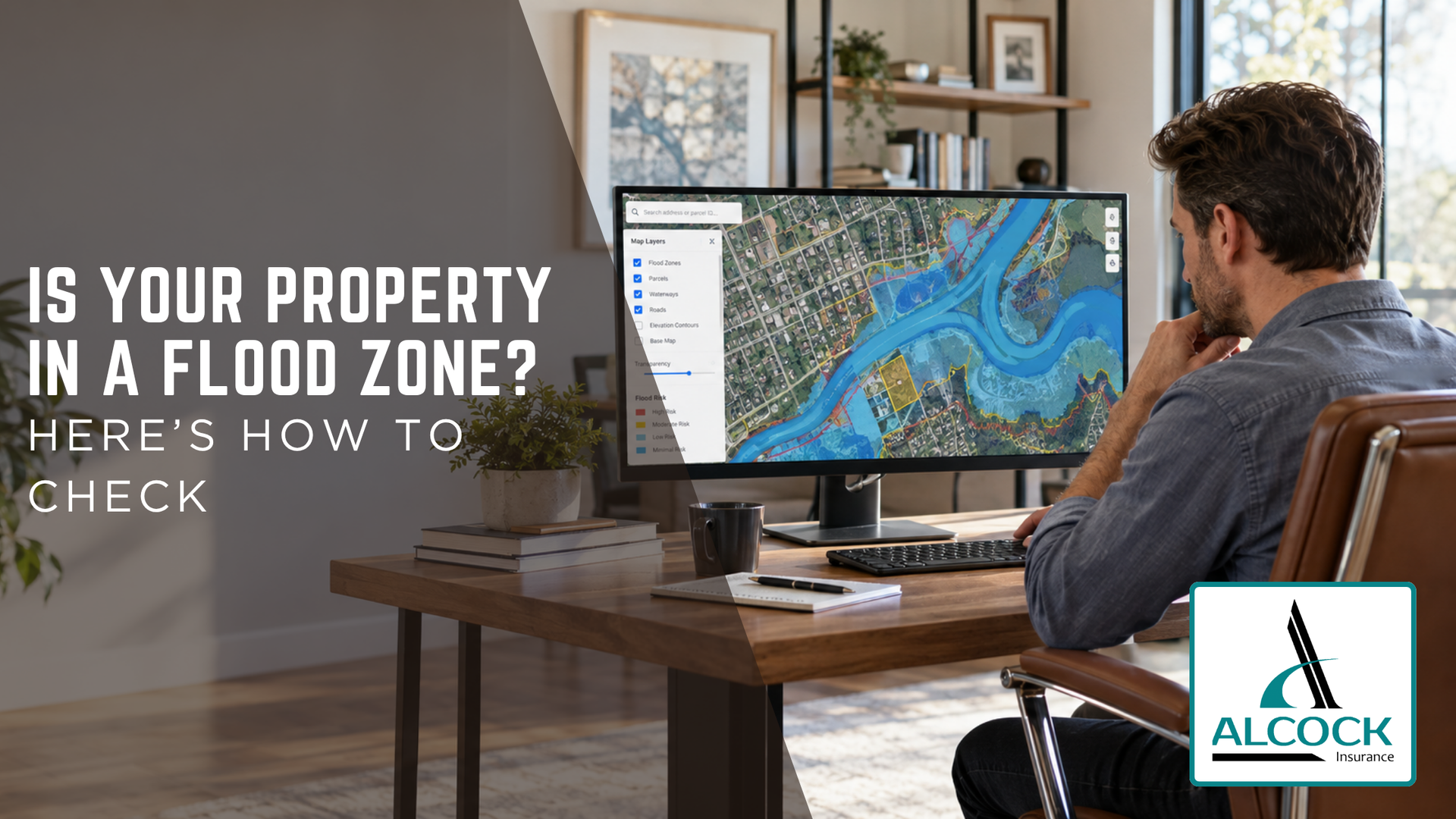
Property owners near Greenville Town Common should review available flood maps and consider whether their current insurance adequately addresses potential water damage.
Standard homeowners insurance generally excludes flooding caused by rising surface water, making separate flood protection an important consideration.
What Should Property Owners Review Before Buying Private Flood Insurance?
Selecting private
flood insurance requires examining both coverage provisions and regulatory considerations.
Important steps include:
- Verify the insurer's licensing or surplus lines status.
- Confirm lender acceptance before replacing existing coverage.
- Compare building and personal property limits.
- Review deductibles, exclusions, and waiting periods.
- Understand cancellation and renewal provisions.
- Evaluate claims procedures and available consumer protections.
An insurance professional can help explain differences between private policies and NFIP coverage.
Conclusion
State insurance laws influence private flood insurance through insurer oversight, policy requirements, and consumer protection rules.
Federal lending regulations also affect whether private policies satisfy mortgage insurance obligations.
Understanding these requirements, comparing coverage terms, and evaluating individual flood risks can help property owners make informed insurance decisions.
At Alcock Insurance, we are committed to offering our clients a wide range of comprehensive and affordable insurance policies. We go above and beyond to ensure that we meet your unique needs with tailored solutions. To find out more about how we can assist you, please reach out to our agency at (252) 353-1700 or
CLICK HERE to request a free, no-obligation quote.
Disclaimer: The content provided in this blog is for informational purposes only and should not be considered professional advice. For personalized guidance, it is important to consult with a qualified insurance agent or professional. They can offer expert advice tailored to your individual situation and help you make well-informed decisions about your insurance coverage.
Alcock Insurance
Greenville, NC
(252) 353-1700
service@alcockins.com
https://www.alcockinsurance.com/